Blog
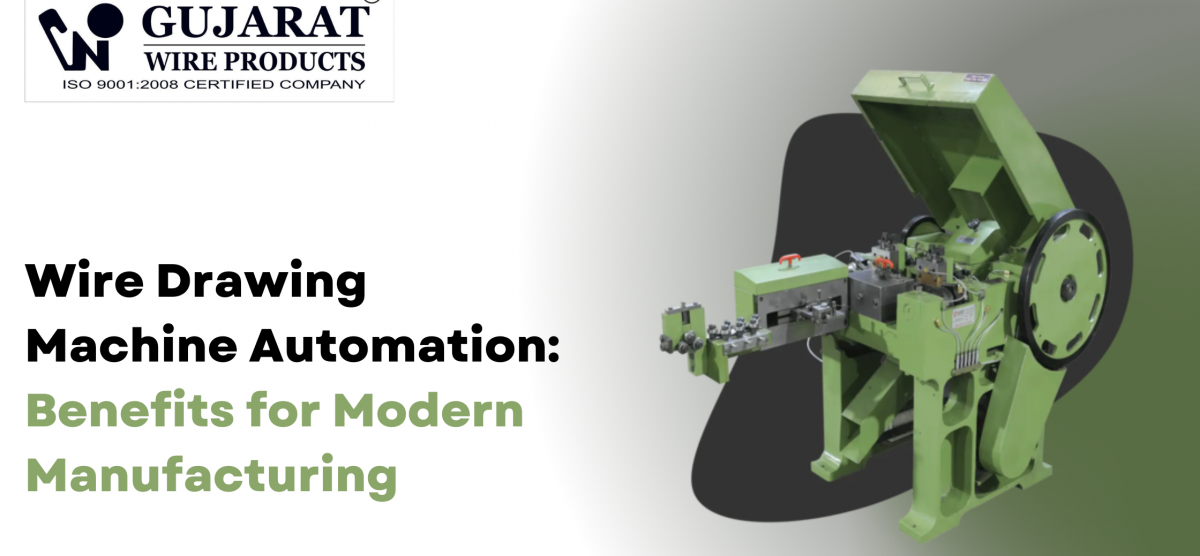
Wire Drawing Machine Automation: Benefits for Modern Manufacturing
Most wire producers still run their drawing lines the way their fathers did—one operator watching a single machine, adjusting tension by feel, and catching wire breaks after they’ve already cost twenty minutes of downtime. That approach worked when labor was cheap and output targets were modest. It doesn’t work anymore. A manual drawing line loses production time to setup drift, operator fatigue, and inconsistent tension control—losses that compound daily but rarely show up as a single line item on anyone’s cost sheet. Automated wire drawing machines close that gap by controlling speed, tension, and lubrication continuously instead of relying on a human hand every few minutes.
This guide covers what automation actually changes on the shop floor: production output, wire quality, labor structure, downtime, energy use, safety, and how to decide whether full automation makes sense for your current volume. By the end, you’ll know exactly where automation pays for itself and where it doesn’t.
Understanding wire drawing automation
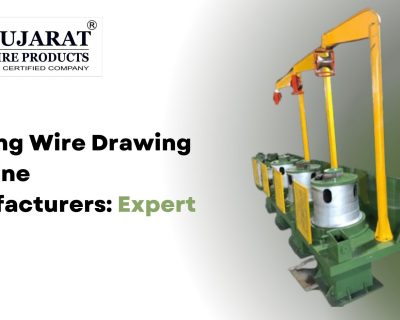
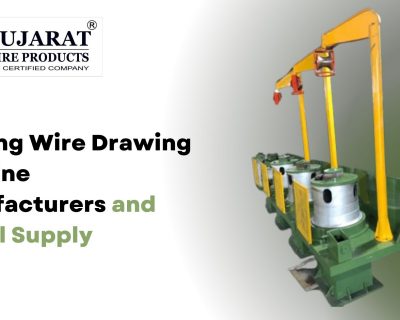
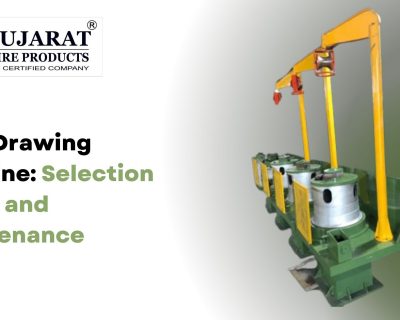
An automated wire drawing machine reduces wire diameter through progressive dies while a control system—not a human operator—manages speed, tension, and lubrication in real time. The core components that make this possible:
- PLC (programmable logic controller): Coordinates the entire drawing sequence
- HMI (human-machine interface): Lets operators set parameters and monitor status without manual valve or dial adjustment
- Sensors and feedback loops: Track diameter, tension, and speed continuously
- Variable frequency drives (VFDs): Adjust motor speed precisely for different wire sizes
- Automatic lubrication systems: Deliver consistent coating without manual topping-up
Semi-automatic systems handle some of these functions while leaving others—like die changes or spool loading—to the operator. Fully automatic lines manage the entire sequence from rod feed to finished coil with minimal manual intervention.
How automated drawing actually works
Preparing the wire rod
Before drawing starts, the rod goes through descaling to remove rust and oxide, then pointing to create a lead end that threads through the first die. Automated systems apply lubricant at a controlled rate matched to wire speed—inconsistent lubrication is one of the most common causes of premature die wear.
Running the multi-pass reduction
The wire passes through a sequence of progressively smaller dies, with the control system managing speed and tension between each pass. Unlike manual operation, where tension adjustment happens reactively after a problem appears, automated tension control anticipates changes and adjusts before wire breaks occur.
Monitoring output continuously
Sensors track diameter and tension in real time, feeding data back to the control system so it can correct drift within the pass rather than after the coil is finished and already out of spec. Finished wire spools automatically, with production data logged for traceability.
Production output gains
Automated lines run continuously without the pauses that come from manual tension checks, adjustment, or operator breaks. The output difference isn’t marginal—continuous operation plus faster cycle times means automated lines consistently outproduce manual setups at the same nominal speed rating, simply because they don’t lose time to human intervention between passes.
Matching drawing capacity to downstream nail or wire-forming equipment matters here. An automated drawing line producing more wire than your forming machines can consume just builds inventory—size the automation to your actual downstream throughput, not your theoretical maximum.
Wire quality and consistency
Tighter diameter control
Automated tension and speed control keeps diameter variation within ±0.02–0.05mm consistently, compared to the wider swings common in manual operation where tension shifts with operator attention.
Fewer defects and breaks
Consistent tension reduces the micro-stress points that cause wire breaks mid-pass. Fewer breaks means fewer stopped lines, fewer scrapped coil ends, and more predictable daily output.
The uncomfortable pattern here: most manual-line operators believe their tension control is “good enough” because breaks feel infrequent. Data logging on automated lines routinely reveals that manual operations experience 3–4x more micro-variations in diameter than operators perceive—these don’t cause visible breaks, but they do cause downstream heading and forming defects that get blamed on the wrong machine.
Labor and operational changes
Automation doesn’t eliminate labor—it changes what labor does. Operators shift from continuous manual control to process supervision, monitoring dashboards, and handling material logistics. One trained operator can typically oversee multiple automated lines simultaneously, something impossible on manual equipment where constant hands-on adjustment is required.
This redirection matters more than the headcount reduction itself. Skilled operators freed from constant tension adjustment can focus on quality inspection, preventive maintenance checks, and catching the kind of subtle equipment issues that automated sensors don’t flag.
Downtime, waste, and energy
Preventing breaks and waste
Automated tension control catches abnormal conditions early, reducing the wire breaks that cause both downtime and scrapped material. Quick die-change systems and stored production recipes cut changeover time between wire sizes from what might be 30–45 minutes manually to under 10 minutes automated.
Managing energy use
Gear-driven systems with efficient motors reduce friction losses compared to older manual drive systems. Energy consumption per kilogram of drawn wire is a metric worth tracking specifically—it reveals inefficiencies that horsepower ratings alone don’t show.
Safety and monitoring benefits
Automated systems reduce direct operator contact with moving dies, capstans, and take-up reels—the components most associated with hand and finger injuries on manual lines. Guards, interlocks, and automated lubrication reduce the need for operators to reach into active drawing zones during normal operation.
Real-time monitoring extends beyond safety into predictive maintenance: tracking motor load, temperature, and vibration flags die wear or lubrication failure before it causes a breakdown, rather than after.
Choosing the right automation level
When semi-automatic makes sense
Lower-volume production, variable product mix, and good access to skilled operators all favor semi-automatic equipment—the upfront cost is lower and the flexibility for frequent changeovers is often better managed manually at small scale.
When full automation pays off
Full automation earns its cost when you’re running high-volume continuous production, need tight diameter tolerance for downstream forming, or face rising labor costs and limited skilled-operator availability. If your current manual line experiences frequent wire breaks, constant manual adjustment, or visible quality variation between shifts, that’s a direct signal automation would recover cost quickly.
FAQs
Does automation eliminate the need for skilled operators entirely?
No. It shifts operator focus from constant manual adjustment to supervision, quality checks, and maintenance monitoring. Skilled operators remain essential—their role just changes from hands-on tension control to process oversight and troubleshooting.
Can one automated wire drawing machine feed multiple nail making machines?
Yes, provided drawing output matches or slightly exceeds the combined wire consumption of the downstream machines. Running drawing capacity too far ahead of consumption just creates excess inventory that sits and oxidizes.
How much does die wear affect automation performance?
Significantly. Even with perfect tension control, a worn die produces diameter drift that sensors will flag but can’t fully correct. Automated systems make die wear more visible through data logging, but regular die inspection and replacement remain essential regardless of automation level.
Is full automation worth it for a small wire production unit?
Not always. Below a certain daily volume, the tooling and control system premium on full automation doesn’t get amortized fast enough to beat a well-run semi-automatic setup. Assess your actual daily output against the automation cost before committing.
Automate based on what your production actually needs
Wire drawing automation is a production-control decision, not just a speed upgrade. The right automation level depends on your volume, your downstream equipment, your labor market, and how much quality variation your customers will tolerate. Get that match right, and automation pays for itself through fewer breaks, less scrap, and more predictable output—not just faster cycle times.
Gujarat Wire Products manufactures automated wire drawing machines configured for steel wire and nail wire production, matched to your target diameter, output volume, and downstream nail making or forming equipment. Our technical team handles installation, commissioning, and operator training from our Rajkot facility, backed by fast-turnaround spare parts and ongoing maintenance guidance.
Ready to assess whether automation fits your wire production line? Visit gujaratwireproducts.com or contact our team for a production capacity review and machine configuration matched to your output targets.