Blog
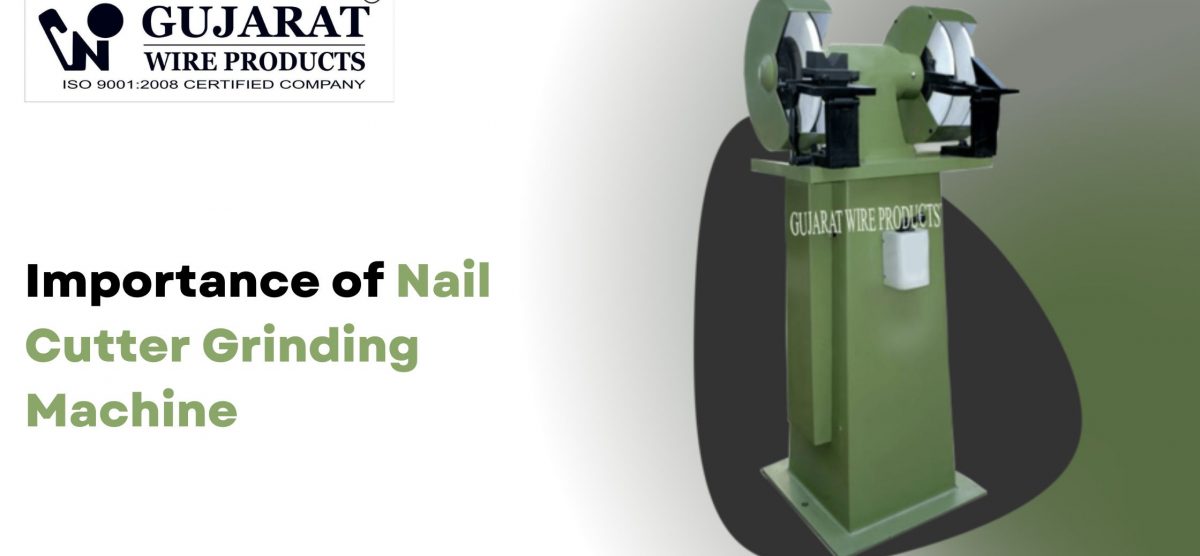
Importance of Nail Cutter Grinding Machine
Nail cutters wear faster than most operators expect—not over months, but over days. A cutter running at 300 cycles per minute for two shifts absorbs the same shear stress as a hand tool used continuously for weeks. Once the edge starts rounding, the effect isn’t gradual—it’s a sudden shift from clean points to barbed, hooked, or split ones, and the batch that was passing quality checks an hour ago starts failing them.
Most nail producers discover this the expensive way: after a customer rejection or a spike in scrap that traces back to a cutter nobody flagged it as due for sharpening. A dedicated cutter grinding machine solves this by keeping tooling sharp on a predictable schedule rather than a reactive one.
This guide covers why cutter condition drives nail quality, how grinding machines work, the exact grinding process, maintenance intervals, and the troubleshooting checks that keep your cutting tools performing at spec.
Role of Nail Cutters in Production
The cutting knife performs two jobs in the same motion—it cuts the wire to the programmed nail length and forms the point simultaneously. Any wear on the cutting edge affects both length accuracy and point geometry at once.
A dull cutter doesn’t fail cleanly. It degrades progressively: first producing points with a slight hook, then visible burrs, then flat or split tips. By the time an operator notices the defect visually, the cutter has likely already produced hundreds of substandard nails.
Why Cutter Grinding Is Needed
Wear Patterns During Continuous Production
Cutting knives experience edge rounding and micro-chipping from repeated shear contact with steel wire. The wear rate depends on wire hardness, cutting speed, and cycle count—but it is constant and predictable, which is exactly why scheduled grinding works better than reactive grinding.
Early Warning Signs
Watch for these before defects show up in finished nails:
- Increased cutting resistance or motor load during the shear cycle
- Audible change from a clean shear sound to a scraping or thudding noise
- Visible flattening or micro-chipping on the cutting edge under magnification
- Points showing slight asymmetry before full defects appear
Steel-Head vs Alloy-Head Cutters
Steel-head cutters need grinding every 2–3 days under continuous production. Alloy-head cutters hold an edge longer but cost more upfront and still require periodic grinding—just on a longer interval.
Match your cutter material to your production volume: high-speed lines running multiple shifts benefit from alloy heads despite the higher initial cost, because downtime for frequent regrinding costs more than the tooling premium.
How a Cutter Grinding Machine Works
A cutter grinding machine restores the cutting edge, geometry, and sharpness through controlled material removal at a fixed angle.
The core components include:
- Grinding wheel: Removes material from the worn edge in controlled passes
- Fixtures and guides: Hold the cutter at the exact angle required for consistent geometry
- Angle control: Ensures every regrind matches the original blade specification
Precision jigs matter more than grinder power. A powerful grinder with a loose or imprecise fixture produces inconsistent edge angles—and an inconsistent edge cuts inconsistently, no matter how sharp it feels to the touch.
Step-by-Step Cutter Grinding Process
Preparation
- Clean the cutter thoroughly to remove metal dust and lubricant residue.
- Inspect for chips, bends, or severe wear that regrinding cannot correct.
- Compare the cutter profile against a reference tool to confirm the target geometry.
Grinding Sequence
- Grind the head evenly across the full cutting face.
- Grind the frontal groove to restore the shear angle.
- Grind the side groove to maintain lateral clearance.
- Grind the back surface for overall blade balance.
- Check symmetry and edge sharpness after each pass—not just at the end.
Final Inspection
Verify edge angle, flatness, and profile consistency against the reference standard before reinstalling. Run a short trial batch—50 to 100 nails—and inspect point geometry and length accuracy before returning to full production speed.
Types of Cutter Grinding Machines
Match the grinder to your production scale:
- Manual cutter grinder: Suited to small workshops with lower cutter turnover
- Semi-automatic grinder: Fits mid-scale nail plants running one or two machines
- High-precision automatic grinder: Built for high-speed lines where cutter downtime directly limits output
- Multi-profile grinder: Handles different cutter shapes and sizes for producers running varied nail types
Maintenance Intervals and Best Practices
Steel-head cutters need grinding every 2–3 days under continuous production; check daily and grind on schedule rather than waiting for visible defects. Dress the grinding wheel regularly—a loaded or glazed wheel generates heat instead of cutting cleanly, which risks softening the cutter’s hardened edge.
The counterintuitive insight here: producers who grind cutters on a fixed schedule regardless of visible wear replace fewer cutters overall than those who wait for defects to appear. Reactive grinding requires removing more material to restore a degraded edge, which shortens the cutter’s total service life faster than light, frequent grinding does.
Production Benefits of Proper Grinding
- Consistent nail length and point finish: Sharp cutters shear cleanly instead of tearing the wire
- Lower scrap and rework: Fewer barbed or split points means fewer rejected nails per shift
- Reduced machine load: A sharp cutter requires less force, which lowers stress on the entire forming mechanism
- Longer cutter service life: Regular light grinding extends total usable life compared to reactive heavy regrinding
Common Problems and Troubleshooting
- Uneven grinding causing asymmetrical edges: Usually a fixture alignment issue—recheck the jig before the next session
- Burn marks or heat damage on the blade: Caused by excessive grinding pressure or a glazed wheel; dress the wheel and reduce pressure
- Vibration during grinding: Points to wheel imbalance or loose mounting—inspect before continuing
- Reground cutter doesn’t match machine profile: Confirm the reference template was correct before grinding; a wrong template compounds the error with every regrind
Safety and Quality Checks
Handle cutters carefully before and after grinding—freshly sharpened edges are sharp enough to cause injury during handling, not just during operation.
After grinding, measure the cutter geometry against spec, run a trial batch, and log the grinding date and cycle count for that tool.
FAQs
How do I know a cutter needs grinding before defects show up in nails?
Watch for increased motor load during the cutting cycle and a change in cutting sound from clean to scraping. These mechanical signs typically appear one to two hours before visible point defects show up in the output, giving you time to schedule a regrind before scrap accumulates.
Can I use the same grinding schedule for all cutter types on my line?
No. Steel-head cutters typically need grinding every 2–3 days under continuous production, while alloy-head cutters hold an edge significantly longer. Track each cutter type separately and set schedules based on actual wear observed, not a single blanket interval.
What happens if I grind a cutter too aggressively?
Excessive pressure generates heat that can soften the hardened cutting edge, visible as a blue or straw-coloured tint on the metal. A cutter that’s lost its hardness through overheating won’t hold an edge regardless of how well it’s sharpened—it needs replacement, not further grinding.
Is an automatic cutter grinder worth it for a small production line?
It depends on cutter turnover. If you’re grinding cutters every 2–3 days across multiple machines, an automatic grinder pays back in labor time and consistency within a few months. For occasional grinding on a single machine, a manual grinder with a good fixture is usually sufficient.
Keep Your Cutting Tools Sharp, Keep Your Output Consistent
A nail cutter grinding machine isn’t an optional accessory—it’s the maintenance step that protects nail quality, machine load, and tooling cost simultaneously. Producers who schedule grinding proactively consistently report lower scrap and longer cutter life than those who wait for defects to force the issue.
Gujarat Wire Products supplies cutter grinding machines matched to nail production output, along with tooling maintenance guidance so your cutting knives stay sharp on a schedule that fits your line speed. Our technical team helps you select the right grinder type and plan spare tooling stock before downtime forces the decision.
Ready to reduce scrap and extend cutter life on your nail line? Visit gujaratwireproducts.com or contact our team for a cutter grinder recommendation matched to your machine model and daily output.