Blog
Grinding Machines: Industrial Applications and Key Types
Manufacturing teams lose more time to surface rejection than to machine downtime. Studies on precision machining operations show that over 40% of finished-part rejections trace back to inadequate surface finishing—not raw material defects or dimensional errors from upstream processes. Grinding machines exist specifically to solve this problem: removing small amounts of material through abrasive action to achieve tolerances and surface finishes that turning, milling, and drilling simply cannot reach. Yet most buyers approach grinding machine selection backwards—they start with budget or brand and work toward application fit, instead of the other way around. This guide maps out the key grinding machine types, from precision cylindrical and centerless machines to rough bench and belt grinders, identifies which industrial sectors depend on each type, and explains the selection logic that prevents costly mismatches. You’ll leave with a clear framework for matching machine type to your exact manufacturing context.
Precision Grinding Machines
These machines handle dimensional accuracy, fine surface finish, and hardened material processing where other tools fail.
Surface Grinders
Surface grinders produce flat surfaces using a rotating abrasive wheel over a reciprocating or rotary table. They’re essential in tool rooms for die faces, fixture plates, and precision flat parts. Tolerances of ±0.005mm are routinely achievable under controlled conditions.
Cylindrical Grinders
Cylindrical grinders handle external and internal diameter work on shafts, rods, and bearing surfaces. The workpiece rotates between centers while the grinding wheel engages the OD or ID. This setup ensures concentricity that no other process reliably delivers at production scale.
Centerless Grinders
Centerless grinders process round parts at high volume without mounting them between centers. The workpiece sits between a grinding wheel and a regulating wheel, with a blade supporting it from below. This configuration eliminates setup time per part, making centerless the dominant choice for pins, rollers, needles, and cylindrical rods in batch production.
Internal and Bore Grinders
Internal grinders finish bores, holes, and inner cylindrical surfaces. They’re used wherever press fits, bearing housings, and gear internals require precise ID tolerances that reaming and boring can’t consistently deliver.
Tool and Cutter Grinders
These machines sharpen and recondition drill bits, end mills, and milling cutters. A sharp tool cuts cleanly, runs cooler, and extends machine spindle life. Shops that recondition their own cutters reduce tooling costs by 30–50% compared to buying new on each replacement cycle.
Jig, Form, and Thread Grinders
Jig grinders produce complex geometries in hardened dies and molds to extreme accuracy. Form grinders use shaped wheels to produce contoured surfaces in a single pass. Thread grinders generate threaded profiles with pitch accuracy critical in aerospace fasteners and precision instruments.
Rough Grinding Machines
Not every application demands precision. These machines remove stock quickly, clean surfaces, and maintain tools at lower cost.
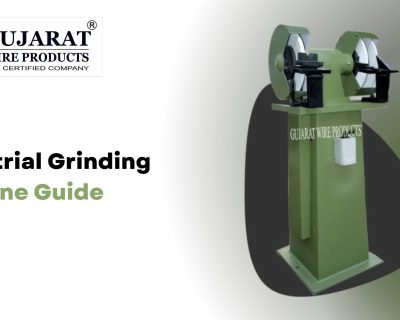
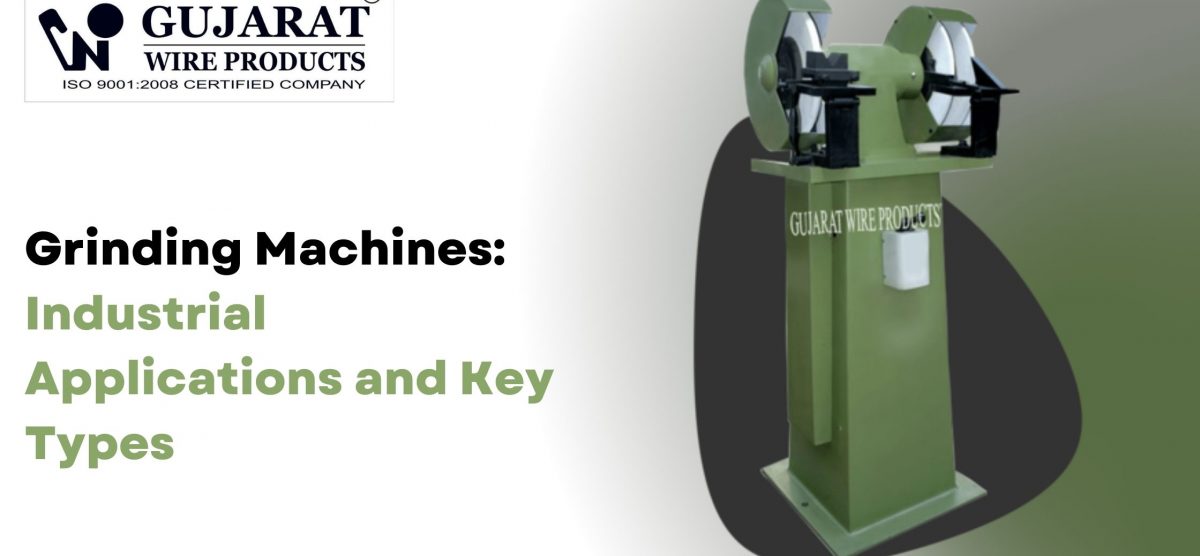
- Bench and pedestal grinders: Sharpen hand tools, shape metal, and dress edges before welding
- Belt grinders: Remove burrs fast, blend weld zones, and polish flat or contoured surfaces using abrasive belts
- Angle grinders: Portable units for weld cleanup, rust removal, and on-site surface preparation
Industrial Applications
Automotive
Grinding handles the most demanding surfaces in engine and drivetrain components:
- Crankshafts and camshafts (cylindrical grinding for journal surfaces)
- Transmission gears (gear grinding for tooth profile accuracy)
- Pistons, valves, and bearing races (centerless and internal grinding)
Aerospace
Turbine blades, precision bearings, and structural fasteners all require grinding at final stage. Dimensional tolerances in aerospace components routinely run tighter than 0.01mm—achievable only through grinding.
Tool and Die Making
Dies, molds, and cutting tools depend on grinding for both production and reconditioning. Surface and jig grinders produce the flat faces and complex profiles that stamping and injection molding tools require.
Wire and Fastener Production
Wire drawing dies wear progressively and need regrinding to maintain bore geometry. Fastener heads, points, and shanks require surface and centerless grinding for dimensional consistency across high-volume runs.
Medical and Precision Instruments
Surgical implants, instrument bodies, and scientific components need surface integrity that grinding alone provides. Thermal damage from incorrect grinding parameters in this sector causes rejection of entire batches.
Key Differences That Drive Selection
Centerless vs Cylindrical Grinding
This comparison trips up most buyers. Centerless grinding processes parts faster with no per-part setup, making it the right choice for high-volume identical round parts. Cylindrical grinding handles complex workpiece geometries, step diameters, and shoulder features that centerless setups can’t accommodate. Choosing centerless for low-volume mixed parts wastes setup time; choosing cylindrical for volume rod production wastes cycle time.
Surface vs Internal Grinding
Surface grinders work on external flat faces and profiles. Internal grinders work on bores from inside the workpiece. They don’t substitute for each other—geometry determines the machine, not preference.
Selection Factors
Three factors, applied in order, eliminate the wrong options fast:
- Workpiece geometry: Flat needs surface, round OD/ID needs cylindrical, volume rounds need centerless, bores need internal
- Tolerance and finish target: Rough work suits bench and belt; precision fits demand dedicated grinding machines with rigid beds
- Production volume: One-off jobs justify manual machines; batch production justifies centerless or CNC configurations
Material hardness applies as a secondary filter. Hardened steels and carbides need rigid machines with appropriate wheel specs and adequate coolant capacity to prevent thermal deformation.
FAQs
What is the difference between precision and rough grinding?
Precision grinding targets dimensional accuracy and surface finish—typically for bearing surfaces, dies, and fitted components. Rough grinding removes material quickly for shaping, deburring, and weld cleanup. Mixing the two—using a bench grinder for precision work—produces unacceptable results regardless of operator skill.
Why is centerless grinding preferred for wire and rod production?
Centerless grinding eliminates the need to mount and center each workpiece. For wire drawing dies and precision rods, this means consistent roundness at production speed without per-part fixturing time. It also handles long, slender workpieces that would flex under cylindrical grinding conditions.
Does grinding work on all metals?
Grinding handles hardened and unhardened steels, cast iron, aluminum, stainless steel, and most engineering alloys. Wheel selection changes with material—aluminum loads standard wheels quickly, requiring open-structure or specific bond types. Hardened tool steel needs cubic boron nitride or diamond abrasive for cost-effective grinding.
What causes surface burn during grinding?
Aggressive feed rates, low coolant flow, a glazed wheel that rubs instead of cuts, or too-hard a wheel grade for the workpiece material. Surface burn is visible as discoloration or detectable through microhardness testing—it indicates localized thermal damage that affects part fatigue life.
Conclusion
Grinding machine selection follows directly from workpiece geometry, tolerance requirements, and production volume—in that order. Matching these three parameters to the right machine type eliminates most finishing problems before they start. Contact us today to discuss your specific application and get a matched grinding machine recommendation.
Gujarat Wire Products supplies grinding machines configured for wire processing, fastener production, precision tooling, and general metalworking applications. We map your workpiece geometry, target tolerances, and production volume to the right machine type—whether that’s centerless for high-volume rod finishing, surface grinding for die work, or cylindrical for shaft and bearing surfaces. Our team supports commissioning, wheel selection, and process setup to ensure consistent output from day one. Visit gujaratwireproducts.com or call us directly for a production assessment and a grinding solution matched to your actual manufacturing needs.