Blog
Production Comparison: GHS vs Standard
Introduction
Most nail manufacturers purchase their second machine the same way they bought their first—by comparing purchase price and rated production speed. That approach works for small operations but becomes increasingly expensive as production volumes grow.
Once daily production exceeds a few hundred kilograms, the real difference between a standard nail machine and a GHS high-speed machine is no longer the purchase price. Labor costs, tooling life, production consistency, and scrap rates become the factors that determine long-term profitability.
This guide compares standard and GHS-class nail-making machines across production capacity, automation, tooling, maintenance, labor efficiency, and operating costs to help you determine which option best suits your production requirements.
Understanding the Two Machine Categories
Standard Nail Machines
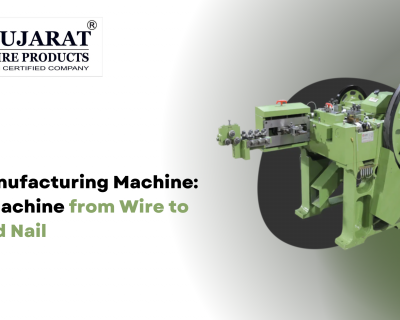
Standard nail-making machines use a mechanically driven plunger system powered by a three-phase motor. Wire feeding, machine adjustments, and production monitoring depend largely on operator experience.
The machine performs the complete forming cycle—feeding, heading, cutting, and ejecting—but without automated monitoring or programmable control.
GHS High-Speed Machines
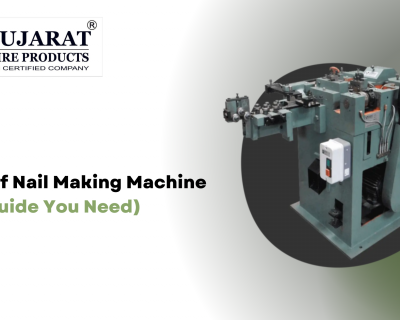
GHS machines use the same fundamental production process while adding advanced automation through PLC control systems and integrated sensors.
The control system continuously manages wire feeding, cutting, lubrication, production speed, and nail counting while monitoring machine performance in real time.
The mechanical operation remains similar, but the automation significantly improves consistency and production efficiency.
Production Capacity Comparison
Standard Machine Output
Standard machines generally produce between 100 and 200 nails per minute.
Production quality depends heavily on operator attention, and output often varies during long operating shifts as fatigue increases.
GHS High-Speed Output
GHS machines can produce up to 500 nails per minute while maintaining stable production over extended operating periods.
The advantage is not only higher speed but also the ability to sustain that speed with consistent quality throughout the shift.
Automation and Control
Standard Machine Features
Standard machines typically rely on:
- Manual wire feeding
- Mechanical operation without feedback systems
- Operator monitoring for quality control
- Manual lubrication and adjustments
Any production issue depends on the operator noticing it before defective nails accumulate.
GHS Machine Features
Modern GHS machines include:
- PLC-based production control
- Real-time sensor monitoring
- Automatic lubrication systems
- Variable speed adjustment
- Automatic production counting
- Wire tension monitoring
- Tool position monitoring
When operating conditions move outside acceptable limits, the machine alerts the operator—or automatically stops production—to minimize scrap.
Tooling and Durability
Standard Machine Tooling
Standard machines generally use hardened steel cutters and forming tools.
Although these tools have lower initial costs, they wear more quickly during continuous production and require more frequent replacement.
GHS Machine Tooling
GHS machines commonly use tungsten carbide tooling, which provides significantly longer service life than conventional steel tools.
While carbide tooling costs more initially, the lower replacement frequency reduces operating costs for high-volume manufacturers.
The greatest economic benefit appears once production volumes become high enough to justify the investment.
Cost and Profitability
Standard Machine Economics
Advantages include:
- Lower purchase price
- Simpler operation
- Lower initial investment
Limitations include:
- Higher labor cost per unit
- More frequent tooling replacement
- Increased scrap during extended production
- Greater dependence on operator skill
GHS Machine Economics
Advantages include:
- Lower labor cost per unit
- Longer tooling life
- Reduced scrap
- Better production consistency
- Higher productivity
Although the initial investment is greater, operating costs typically decrease as production volume increases.
Maintenance Requirements
Standard Machine Maintenance
Routine maintenance includes:
- Lubrication
- Cleaning
- Tool inspection
- Manual adjustments
Maintenance is relatively straightforward but depends heavily on consistent operator attention.
GHS Machine Maintenance
A structured maintenance schedule generally includes:
Daily
- Check wire tension
- Inspect tooling
- Verify lubrication systems
Weekly
- Remove accumulated debris
- Monitor motor condition
- Inspect moving components
Monthly
- Lubricate bearings
- Calibrate sensors
- Replace worn consumable parts
Although maintenance procedures are more comprehensive, automated monitoring makes preventive maintenance easier to schedule.
Quality Control
Quality consistency is one of the largest differences between the two machine types.
Standard machines rely primarily on operator experience, meaning product quality can gradually decline during long production runs.
GHS machines continuously monitor production parameters and identify abnormal conditions before large quantities of defective nails are produced.
Material and Size Flexibility
Standard machines generally operate within a limited range of wire diameters and nail sizes.
GHS machines offer greater flexibility by processing multiple wire sizes and nail lengths with faster production changeovers.
They are also capable of handling various materials, including:
- Mild steel
- Stainless steel
- Aluminum
- Brass
Labor Efficiency
Standard machines generally require one operator to supervise one machine throughout production.
With GHS automation, one trained operator can often monitor two or three machines simultaneously, reducing labor costs while maintaining production quality.
Which Machine Should You Choose?
Standard Machines Are Best For
- Small and medium production volumes
- Lower capital investment
- Simpler production requirements
- Manufacturers with sufficient skilled labor
GHS Machines Are Best For
- High-volume production
- Continuous multi-shift operations
- Reduced labor dependency
- Consistent product quality
- Lower long-term operating costs
Operating either machine at approximately 70%–85% of its rated capacity generally provides the best balance between productivity, machine life, and product quality.
FAQs
When does upgrading to a GHS machine become worthwhile?
Many manufacturers begin seeing a strong return on investment once production consistently exceeds approximately 200–250 kg per day, where labor savings and tooling life offset the higher purchase price.
Can GHS machines produce the same nail sizes as standard machines?
Yes. Most GHS machines handle a wider range of wire diameters and nail lengths while providing faster changeovers and greater production flexibility.
Do GHS machines require highly skilled operators?
Operators require training on the PLC interface and automated controls, but once trained, a single operator can supervise multiple machines efficiently.
Is tungsten carbide tooling really much more durable?
Yes. Under similar operating conditions, carbide tooling generally lasts several times longer than conventional steel tooling, reducing replacement frequency and production interruptions.
Conclusion
Choosing between a standard nail machine and a GHS high-speed machine depends on production volume, labor availability, operating costs, and long-term business goals.
For lower production volumes, standard machines remain a practical and economical solution.
For manufacturers seeking higher output, lower labor costs, improved consistency, and reduced operating expenses, GHS automation delivers substantial long-term value.
Gujarat Wire Products manufactures both standard and GHS high-speed nail-making machines and helps manufacturers select the right equipment based on production capacity, wire specifications, labor availability, and future growth plans.