Blog
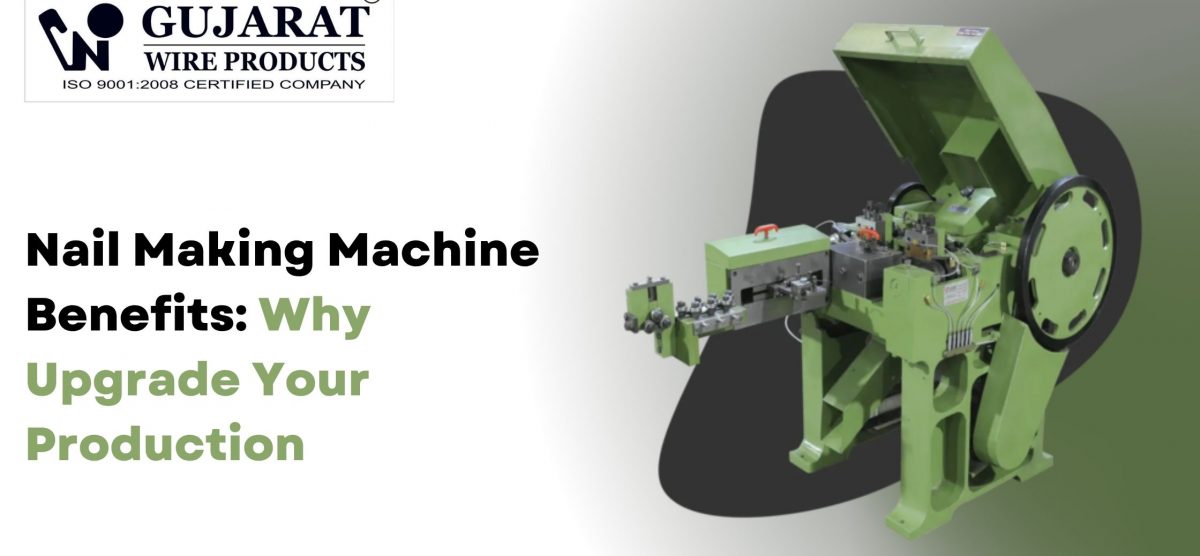
Nail Making Machine Benefits: Why Upgrade Your Production
Introduction
Most nail manufacturers running outdated equipment know their output is capped—but they underestimate by how much. The real productivity gap between a well-specified modern machine and a five-year-old unit running at marginal condition isn’t 10–15%. It’s closer to 40–60% once reject rates, unplanned stoppages, and labour hours per ton are factored in together. Here is the pattern that repeats across operations of every size: manufacturers tolerate 4–6% reject rates and two stoppages per shift because each individual problem feels minor—but collectively, these inefficiencies consume the same margin as a full second production shift. Modern automatic nail machines don’t just produce more nails per minute. They change the entire cost structure of a nail line by reducing waste, stabilising quality, and cutting the labour hours needed per kilogram of finished product. This guide covers the specific efficiency, quality, cost, and safety gains a production upgrade delivers—and the practical triggers that signal when the timing is right.
High Production Efficiency
Sustained Output vs. Peak Ratings
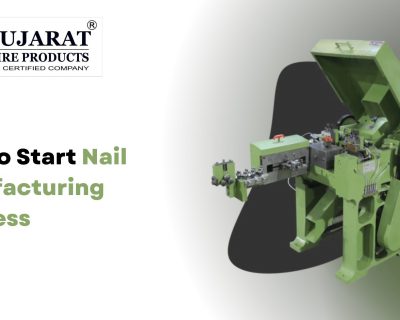
Modern automatic nail making machines deliver 200–800 nails per minute depending on model and nail size—but the real advantage over older equipment is sustained output across full shifts, not peak bursts. Older machines lose cycle consistency as components wear, dropping effective output by 20–30% before any stoppage occurs. New machines maintain rated production rates across 12–16 hour days without operator-driven performance drops.
One operator can supervise two to three modern machines simultaneously. On older equipment requiring frequent manual intervention for jams, resets, and adjustments, that ratio falls to one operator per machine—tripling effective labour cost per ton.
Consistent Quality and Precision
Automatic nail machines hold length tolerances within ±0.5mm and head centering within ±0.1–0.25mm across entire production batches. Manual or semi-automatic processes cannot maintain these tolerances across shift changes, operator variation, and material inconsistencies. Construction and packaging customers increasingly specify dimensional tolerances that older equipment simply cannot meet consistently.
Reject rates below 2% are standard on well-maintained modern machines. Operations running 4–6% rejects on older equipment lose 2–4 percentage points of raw material value on every production day—material that cannot be recovered without reprocessing cost.
Cost Savings and Waste Reduction
Precision cutting and forming reduces wire offcut waste from 6–8% on older machines to 1–2% on modern equipment. At 30 tons monthly production, that 5% difference represents 1.5 tons of material saving every month. Frequency converter-equipped motors cut energy consumption by 20–25% compared to fixed-speed motors running constant maximum draw. Over a full operating year, this saving alone often covers a significant portion of annual maintenance costs.
Die and cutter life extends significantly on machines with enclosed frames, automatic lubrication, and adaptive tension control. Tungsten carbide tooling on modern machines processes 500,000+ cycles versus 150,000–200,000 cycles on worn or poorly lubricated older equipment.
Versatility for Diverse Needs
Modern machines handle wire diameters from 0.9mm to 6.0mm and nail lengths from 6mm to 150mm with tooling changes averaging 15–20 minutes. Quick-change die systems allow size switching without specialist technicians. This flexibility lets operations serve construction, furniture, and packaging customers from the same machine rather than maintaining separate dedicated equipment for each specification.
Integration with polishing drums, weighing stations, and packing lines is straightforward because modern machines control output speed precisely. Older equipment with variable cycle timing creates downstream bottlenecks that reduce the whole line’s effective throughput regardless of the nail machine’s rated speed.
Low Maintenance and Reliability
Automated Systems That Prevent Failures
Automatic lubrication pumps deliver oil to bearings, cams, and slides at programmed intervals. This eliminates the primary cause of premature bearing seizure—missed manual greasing during busy production periods. Fault detection sensors stop machines before wire breaks damage dies or jams damage cutting blades.
Enclosed cast frames prevent dust infiltration into bearing assemblies, extending component life from 3–4 years on open-frame machines to 10+ years. The maintenance cost difference across a machine’s operating life is substantial.
Safety and Operator Benefits
Modern machines include full perimeter guarding, three-point emergency stops, and automatic restart lockouts. These features reduce injury risk from ejected wire fragments and moving components. Operators learn standard machine operation in 1–2 days versus the extended learning curve older machines require due to manual adjustment complexity.
Noise levels on enclosed modern machines typically run below 85 decibels. Older open-frame machines at high speed regularly exceed 95 decibels—above the threshold requiring mandatory hearing protection and limiting shift duration under safety regulations.
When to Upgrade
Three operational patterns signal that upgrade timing has arrived:
- Output ceiling hit: Current machines cannot increase tonnage without additional labour or extended shifts that produce diminishing returns
- Chronic rejects: First-pass reject rates consistently above 3–5% indicate the machine can no longer hold dimensional tolerances across batches
- Labour cost creep: When labour exceeds 20% of total production cost per ton, manual supervision overhead has outpaced what the equipment can justify
A fourth trigger that most operations miss: when die and cutter replacement frequency doubles compared to the first two years of operation, the machine’s core geometry has drifted beyond what tooling changes can correct.
FAQs
How much faster are automatic machines compared to older semi-automatic models?
Modern automatic machines produce 3–5× the sustained output of semi-automatic equipment at comparable nail sizes. The gap widens further on larger nail sizes where semi-automatic machines require manual feed assistance that becomes the primary speed constraint.
What maintenance savings do modern machines deliver?
Automatic lubrication and enclosed construction reduce unplanned maintenance incidents by 60–70% compared to open-frame machines with manual lubrication. Scheduled maintenance intervals extend from weekly to monthly for most consumable checks, freeing operator time for production monitoring.
Can one modern machine replace multiple older units?
In most mid-volume operations, one modern high-speed machine replaces two to three older units producing equivalent daily tonnage. The consolidation reduces floor space, power connection points, and operator headcount simultaneously. It also simplifies maintenance scheduling by concentrating service on one well-engineered system.
How quickly do production upgrades pay off?
Operations that track first-pass yield, labour per ton, and material waste consistently report investment recovery within 12–18 months. Plants that only track monthly tonnage without monitoring these three efficiency metrics take significantly longer and often cannot quantify the return at all.
Conclusion
Upgrading nail making equipment isn’t about adding capacity for its own sake. It’s about closing the gap between what your current setup costs per ton and what a well-engineered machine actually delivers—in yield, labour, energy, and tooling consumption—across years of continuous production.
Gujarat Wire Products engineers nail making machines that deliver measurable production gains: tighter tolerances, lower rejects, extended tooling life, and the sustained output rates that make upgrade economics straightforward. Our machines are built for Indian production conditions, sized to your nail portfolio, and backed by application support that continues after commissioning. Ready to calculate what an upgrade actually changes in your operation? Visit gujaratwireproducts.com and share your current output, reject rate, and nail range for a direct comparison and machine recommendation from our engineering team.