Blog
High Speed Nail Making Machine Manufacturer – A Guide
Buyers upgrading to high-speed nail production routinely discover the same problem: the machine performs exactly as rated in the manufacturer’s demo, then underperforms by 20–35% in actual production. The gap isn’t the machine—it’s everything around it. Wire drawing capacity too low to feed it consistently. Polishing lines too slow to clear output. Operators adjusting speed settings without understanding how wire diameter and hardness affect safe cycle rates. High-speed nail machines generate real competitive advantage only when the full line is designed around their output requirements. This guide explains how high-speed nail machines actually work, what separates them from standard machines at the mechanical and control level, which types suit which production profiles, how to balance a line correctly, and what to look for in a manufacturer beyond nails-per-minute claims. You’ll also find the reliability factors that determine whether a high-speed investment pays off or creates expensive downtime.
What High-Speed Nail Machines Actually Do
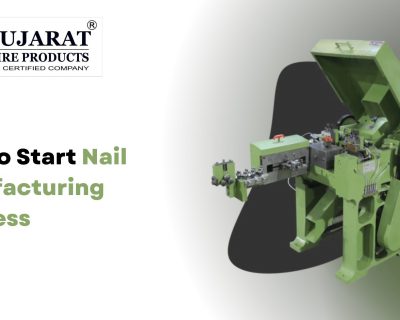
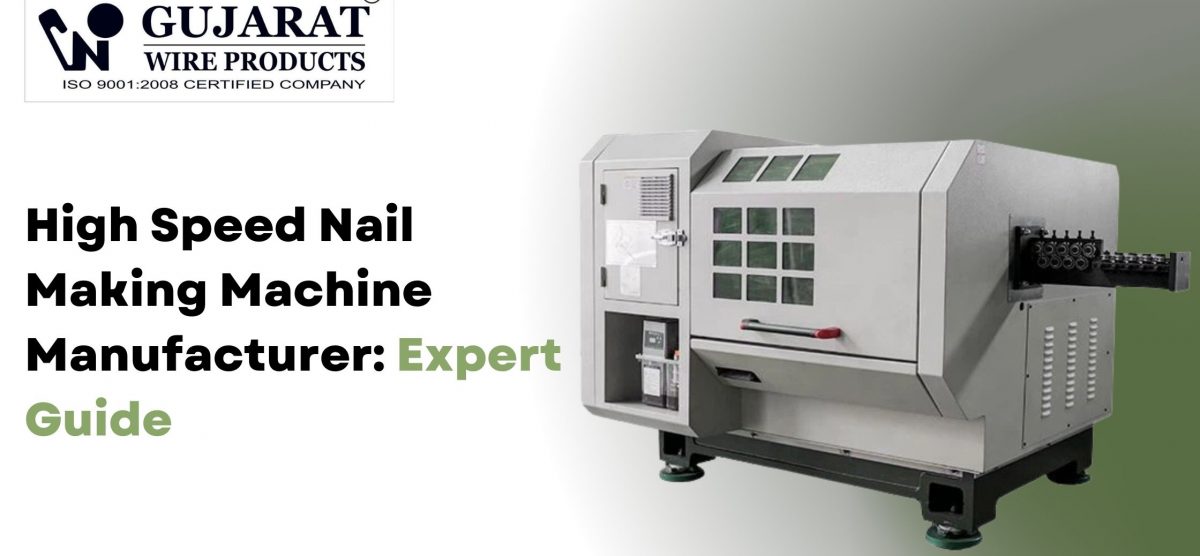
High-speed nail machines run the same mechanical sequence as standard machines—feed, grip, head, cut, point, eject—but complete each cycle significantly faster through reduced reciprocating mass, improved balancing, and tighter control systems.
Rated vs. Real-World Output
Typical high-speed machines produce 600–800 nails per minute at rated capacity. Some rotary systems exceed 1,000 nails per minute under ideal conditions. Real-world throughput runs lower. Changeovers, wire variability, and brief stoppages typically reduce effective output to 70–80% of rated speed over a full shift. Buyers who plan capacity against rated figures set themselves up for shortfalls.
Where It Fits in the Production Line
The nail machine sits between wire drawing and finishing. It can only produce as fast as wire drawing feeds it and as fast as polishing and collation clear its output. Treating it as a standalone upgrade without adjusting upstream and downstream capacity is the single most common reason high-speed investments underperform.
How High-Speed Machines Differ From Standard Models
Mechanical Improvements
Three mechanical changes distinguish high-speed machines from standard wire nail machines:
- Reduced reciprocating mass: Lighter moving components allow faster cycle rates without excessive vibration
- Optimized balancing: Counter-weighted mechanisms reduce frame stress at sustained high RPM
- Enhanced lubrication: Forced or automatic lubrication systems protect bearings and cams during continuous duty
Control and Safety Systems
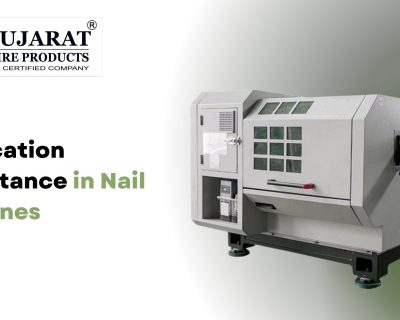
PLC controls, servo drives, and optical sensors manage feed timing, detect wire breaks, and trigger automatic shutdowns when parameters drift. This matters at high speed because a jam or wire disorder at 700 cycles per minute damages tooling faster than an operator can respond manually. Sensor-driven shutdown protects dies and cutters that cost significantly more than the nails lost during a stoppage.
Types of High-Speed Nail Machines
Mechanical High-Speed Wire Nail Machines
Upgraded cam-driven designs with improved balancing and lubrication. These suit general-purpose construction nails in bulk production and work well where operator teams have existing mechanical maintenance skills.
Rotary High-Speed Nail Machines
Rotary die systems replace reciprocating action with continuous rotation. This eliminates the vibration that limits mechanical machines at very high cycle rates and extends tooling life in sustained high-volume runs. They carry higher setup complexity but suit fully automated lines where manual intervention is minimal.
Integrated High-Speed Lines
Complete systems combining wire drawing, payoff, nail forming, polishing, and collation into a single coordinated line. The investment is significantly higher, but line balance is engineered in from the start—removing the guesswork that causes underperformance in bolt-on upgrades.
Line Design and Capacity Balance
Getting line balance right matters more than machine selection. A high-speed nail machine starved of wire or backed up behind a slow polisher runs no faster than a standard machine.
Matching Upstream Wire Drawing
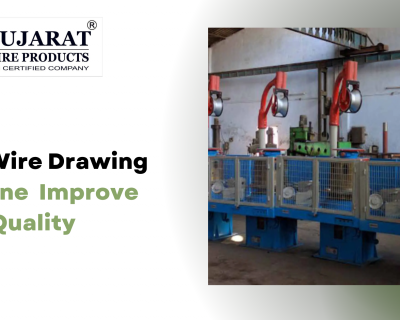
Calculate daily wire consumption at your target nail output. Size drawing capacity to run at 80–85% of its own rated speed while keeping the nail machine continuously fed. Running drawing equipment at full capacity to match nail machine demand creates the first bottleneck.
Aligning Downstream Finishing
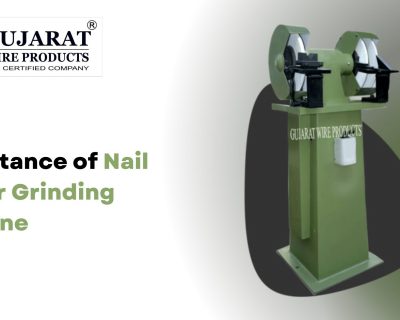
Polishing drum capacity, galvanizing throughput, and collation speed all need to handle nail output without building backlog. A practical approach: size finishing capacity 10–15% above nail machine output to absorb speed variations during changeovers.
Site and Installation Planning
High-speed machines generate more vibration than standard models. Concrete floor mounting, adequate power supply quality, and proper alignment during installation determine whether rated speed is achievable or theoretical. Professional commissioning at installation pays for itself by preventing early wear and alignment-related faults.
Common Faults and How to Prevent Them
High-speed operation amplifies the impact of any process weakness. Problems that cause occasional rejects on standard machines cause sustained scrap runs on high-speed lines.
Most frequent issues and their root causes:
- Wire feeding problems: Inconsistent wire diameter or surface quality from inadequate drawing; fix starts with wire quality, not machine adjustment
- Premature cutter and die wear: Aggressive speed settings for the wire material in use; reduce cycle rate to match material hardness before investigating equipment
- Nail length variation: Setup drift in feed length adjustment; schedule re-verification every shift rather than waiting for defects to appear
- Vibration at speed: Frame misalignment, worn bearings, or inadequate foundation mounting
Evaluating a High-Speed Nail Machine Manufacturer
The uncomfortable reality about manufacturer selection: most buyers evaluate on price and nails-per-minute ratings, then regret ignoring after-sales support quality when a production fault requires a week-long wait for a technician.
Technical and Application Competence
A credible manufacturer asks about your wire source, target nail mix, daily tonnage requirements, and existing equipment before recommending a machine. One who quotes a price after hearing only your output target is selling a machine, not a production solution.
Lifecycle Cost Transparency
Request specific data on energy consumption per kilogram of nails, tooling replacement intervals at your target wire specification, and maintenance labor requirements. Manufacturers who provide this data have it because they’ve run the machines in real production. Those who can’t provide it haven’t.
After-Sales and Spare Parts Access
Local spare parts availability determines real downtime cost. A machine with excellent rated speed and a 3-week spare parts lead time delivers less effective output than a slower machine with same-day spares access.
FAQs
What wire specifications work best in high-speed nail machines?
Consistent diameter, clean surface, and controlled hardness (typically mild steel at 350–550 MPa tensile strength) deliver the most stable high-speed performance. Harder wire requires lower cycle rates and accelerates tooling wear. Confirm wire spec compatibility with the manufacturer before finalizing machine selection.
How long does tooling last at high-speed production rates?
Die and cutter life depends on wire hardness, lubrication quality, and cycle rate. Under good operating conditions, tooling lasts 2–4 weeks in continuous high-speed production before measurable wear affects nail quality. Track scrap rate per shift—it signals tooling degradation before dimensional checks catch it.
Can high-speed machines handle multiple nail sizes?
Yes, but changeover time matters. Mechanical high-speed machines typically require 45–90 minutes per size change. Quick-change tooling systems on some models reduce this. For operations with frequent size changes, total changeover time per day may negate the speed advantage over standard machines.
What power supply requirements do high-speed machines have?
Most high-speed nail machines run on three-phase power at 7.5–15 HP motor ratings depending on wire diameter range and rated output. Voltage stability matters—fluctuating supply affects PLC performance and drive reliability. Confirm local power quality and install voltage stabilizers if supply variation exceeds ±5%.
Conclusion
High-speed nail production delivers genuine output advantages when machine selection, line design, and manufacturer support all align with your actual production requirements. Speed ratings alone don’t determine success—line balance, wire quality, and operator readiness do. Contact us today to discuss your current production setup and receive a line-level recommendation built around your actual nail mix and daily tonnage targets.
Gujarat Wire Products supplies high-speed wire nail making machines and complete nail production line solutions for manufacturers across India. We conduct production audits covering your wire source, nail specifications, current capacity, and finishing requirements before recommending any equipment. Our India-manufactured machines are designed for regional power conditions and wire availability. We provide on-site commissioning, structured operator training, and fast-access spare parts to ensure your line hits target output and holds it. Visit
or call us directly to schedule a production assessment and get a tailored high-speed nail line proposal.