Blog
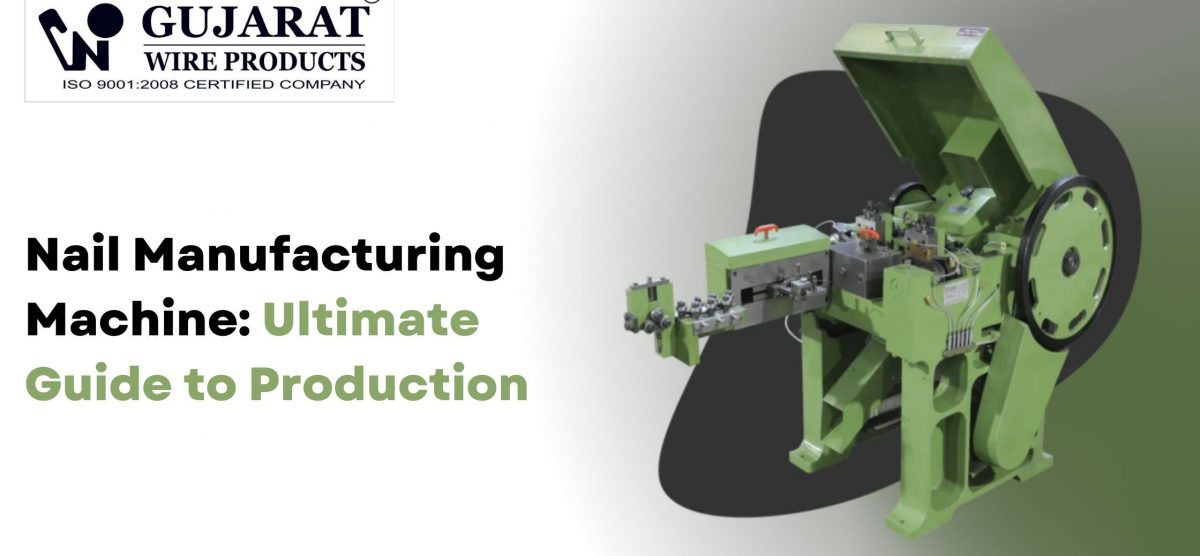
Nail Manufacturing Machine: A Guide
Most nail manufacturers chasing higher output focus on machine speed ratings—then discover their real bottleneck is setup drift, inconsistent wire quality, or a production line with mismatched capacity between drawing, forming, and finishing stages. Field data from small-to-mid nail production operations shows that over 60% of throughput losses trace back to process design problems, not machine limitations. A nail manufacturing machine running at 70% of rated speed on a well-designed line consistently outproduces one running at full speed on a poorly configured one. This guide covers the full production picture: how nail machines work at the mechanical level, what each process step does, which machine types suit which product mixes, how downstream finishing integrates, and what selection criteria actually determine long-term output and cost per nail. You’ll also find the maintenance and setup factors that most operators overlook until scrap rates climb.
How Nail Manufacturing Machines Work
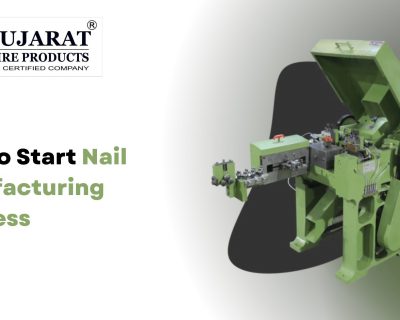
Every nail machine completes one full cycle per nail. Cycle speed equals output rate—at 400 cycles per minute, you get 400 nails per minute, assuming zero stoppages.
Core Mechanical Sequence
Each cycle runs the same coordinated actions in rapid succession:
- Wire feeds forward a set length
- Gripping dies clamp the shank
- Heading punch strikes and forms the nail head
- Cutter shears the wire to nail length
- Pointing dies compress the free end into a sharp tip
- Nail releases and ejects into collection
Modern machines use PLC-driven controls to synchronize these actions. Older cam-based machines run the same sequence mechanically. Both work well—PLC systems allow faster parameter changes when switching nail sizes.
The Full Production Line
The nail manufacturing machine sits in the middle of a three-stage line. Treating it as a standalone unit creates the imbalances that kill throughput.
Upstream Wire Preparation
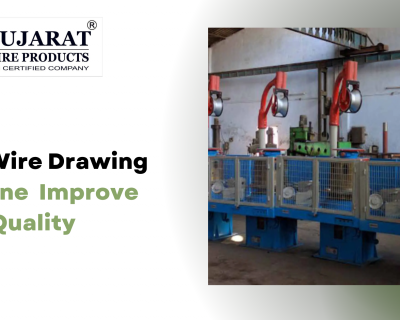
Wire rod at 6.5mm diameter feeds a multi-die drawing machine that reduces it to your target nail wire diameter. The drawn wire then passes through cleaning, derusting, and lubrication before reaching the nail making machine. Poor wire surface finish—caused by inadequate drawing or skipped cleaning steps—causes jams and accelerates die wear faster than any other single factor.
Downstream Finishing
After forming, nails move through polishing drums loaded with sawdust and paraffin to produce smooth, bright surfaces. Construction or outdoor nails receive galvanizing or anti-corrosion coating. Nails destined for pneumatic tools go through collation machines that arrange and bond them onto wire, plastic strip, or paper strip carriers.
Nail Machine Types
Standard Wire Nail Machines
Cam-based mechanical machines handle common smooth and ring-shank wire nails. They’re robust, straightforward to maintain, and well-suited for general construction and packaging nails at moderate speeds.
High-Speed and Rotary Machines
High-speed models use lighter moving parts, improved wire feeding, and advanced controls to push cycle rates significantly higher. Rotary nail machines use rotating dies instead of reciprocating ones—this reduces vibration at top speed and extends tooling life in continuous high-volume runs.
Specialty Machines
Concrete nails, roofing nails, duplex nails, and umbrella-head nails require machines with modified heading and pointing tooling. These aren’t standard wire nail machines with different settings—they need purpose-built configurations.
Parameters That Drive Real Output
Speed vs. Wire Diameter
Rated speed applies to a specific wire diameter and nail length. Running smaller diameter wire at the same cycle speed as larger wire often causes feed inconsistency. Most operators don’t realize that rated nails-per-minute figures assume optimal wire specification—real-world output on mixed production runs lower.
Tooling Life and Setup Discipline
Die and cutter wear causes length variation, misformed heads, and bent nails. These defects rarely appear dramatically—they creep in gradually as tools wear. Operators who track scrap rate per shift catch tooling degradation before it becomes a production problem.
Common Production Bottlenecks
Three issues account for most output losses:
- Wire quality drift: Variations in wire diameter from inconsistent drawing cause intermittent jams and head defects
- Setup drift: Length adjustment, head alignment, and pointing calibration shift over time and need scheduled re-verification, not just reactive correction
- Lubrication gaps: Insufficient lubrication on feed rollers and dies causes friction-related wear that compounds over shifts
An uncomfortable truth: most “machine problems” reported to suppliers turn out to be maintenance and setup problems on inspection. The machine is fine; the process around it isn’t.
Selecting the Right Machine
Match Machine Type to Product Mix
High-speed machines justify their cost only when you run continuous high-volume production of similar nail sizes. Mixed production with frequent changeovers favors standard machines with simpler tooling swaps.
Align Capacity Across the Full Line
A nail machine rated at 500 nails per minute creates a bottleneck if your wire drawing capacity only feeds it at 60% of rated input. Size your drawing capacity, nail forming capacity, and polishing/finishing capacity in proportion—line balance determines actual throughput, not any single machine’s rated speed.
Factor in Automation and Operator Skill
Fully automated machines reduce labor but demand operators who can diagnose PLC faults and adjust control parameters. Semi-automated machines suit operations with skilled mechanical staff but limited electronics experience. Automation level should match your team’s actual capabilities.
FAQs
What wire diameter range do nail manufacturing machines handle?
Most standard wire nail machines handle wire from 1.6mm to 5.5mm diameter, covering common nail sizes from small finishing nails to large framing nails. Specialty machines for concrete or roofing nails may require specific diameter ranges outside this window.
How often should tooling be replaced?
Die and cutter replacement intervals depend on wire hardness and production volume. Soft wire extends tooling life; high-carbon or harder wire shortens it. Track scrap rate and length variation rather than running to a fixed replacement schedule—tooling wear rates vary significantly by material and run conditions.
Can one machine produce multiple nail sizes?
Yes, but changeover requires resetting wire feed length, replacing or adjusting heading dies, and recalibrating pointing. On standard machines this takes 30–60 minutes per changeover. High-speed machines with quick-change tooling systems reduce this significantly.
What separates a reliable nail machine from a problematic one?
Rigidity of the main frame, quality of the cam or PLC synchronization, and availability of local spare parts. A machine with excellent rated speed but long spare parts lead times will cost more in downtime than a slower machine with immediate parts availability.
Conclusion
Nail production efficiency comes from line design, setup discipline, and matched capacity—not from buying the fastest machine available. Map your wire source, daily tonnage targets, nail mix, and finishing requirements before committing to any machine configuration. Contact us today to discuss your production setup and get a matched equipment recommendation.
Gujarat Wire Products designs and supplies complete nail production solutions for manufacturers across Gujarat and India. We evaluate your wire source, target nail specifications, daily output requirements, and finishing needs before recommending machine configurations—whether that’s a single standard wire nail machine or a fully integrated line with drawing, forming, polishing, and collation. Our team handles commissioning, operator training, and setup tuning to ensure you hit production targets from day one. Visit
or call us directly to schedule a production assessment and receive a line-level recommendation built around your actual manufacturing needs.