Blog
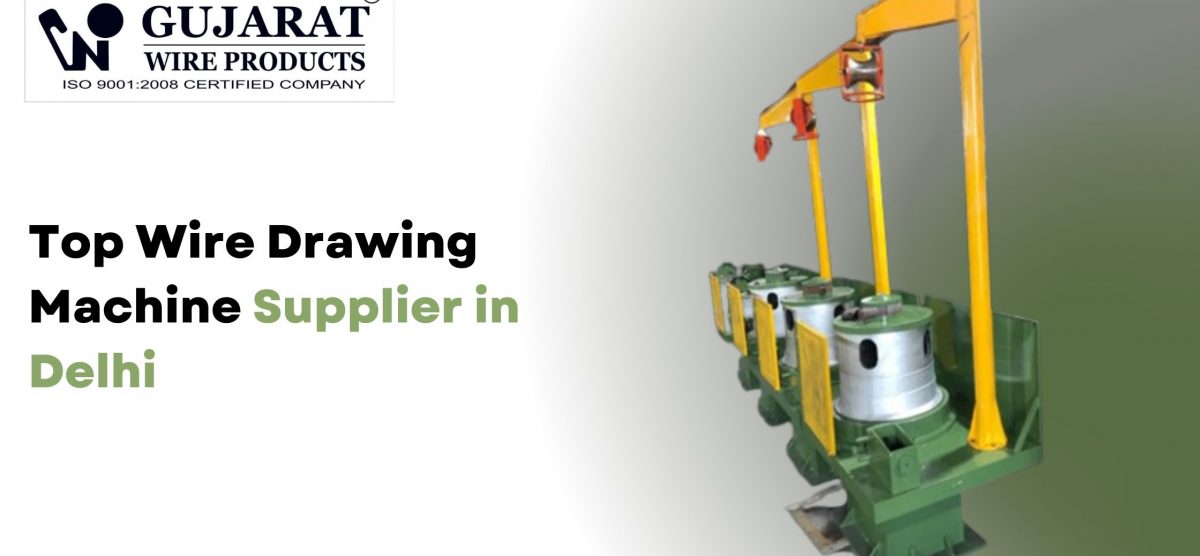
Top Wire Drawing Machine Supplier in Delhi
Introduction
Wire manufacturers in and around Delhi face a familiar tension. Orders are steady, but production stability is fragile. Diameter variation appears mid-shift. Wire breaks cluster around coil changes. Output targets are met, yet quality complaints quietly increase. In most cases, the issue is not manpower or raw material. It is the wire drawing machine itself—or more precisely, how well it fits the job.
A well-matched wire drawing machine changes this pattern. It brings control to tension, reduction, and take-up. Output becomes predictable. Operators stop compensating by instinct. Planning becomes easier because the line behaves the same way every day.
This article explains what wire drawing machines do, the types commonly used by manufacturers supplying the Delhi market, and how buyers should evaluate machines and suppliers. The focus is practical. We break down machine behavior, use cases, and selection logic that directly affects uptime and wire quality. The goal is to help buyers choose equipment that performs steadily under real production conditions.
What is a wire drawing machine
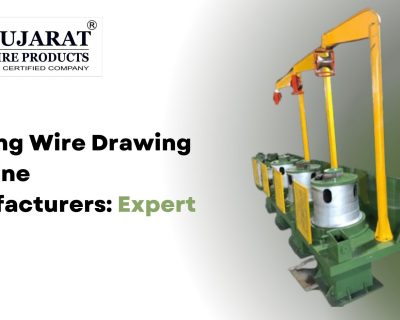
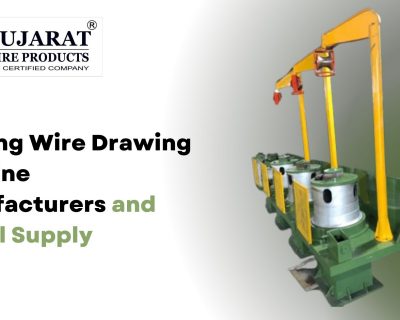
A wire drawing machine reduces the diameter of metal wire by pulling it through one or more dies. Each die applies controlled deformation.
The process improves dimensional accuracy and increases tensile strength through cold working. Surface quality depends on die condition, lubrication, and tension balance.
In industrial settings, wire drawing is rarely a single machine. It is a linked process involving pay-off, reduction, and take-up.
Types of wire drawing machines
High speed wire drawing machines
These machines are designed for volume. They run at higher speeds with stable reduction profiles.
They suit manufacturers supplying large, repeat orders where consistency matters more than flexibility.
Fine wire drawing machines
Fine wire machines focus on surface finish and tight tolerances. They use precise tension control and advanced lubrication.
They are common in electrical, electronics, and precision component production.
Intermediate and multi-pass machines
These systems handle multiple reduction stages in one line. Wire flows continuously without manual handling.
They reduce handling damage and operator dependency.
Wet and dry wire drawing setups
Wet systems immerse dies and wire in lubricant. Dry systems rely on surface lubrication.
Wet setups dominate fine wire. Dry setups work well for larger diameters.
Vertical and bull block machines
Vertical machines save floor space. Bull block machines handle heavy loads and large diameters.
Choice depends on layout, not just wire size.
How wire drawing machines work
Pay-off and wire stabilization
Wire enters from a pay-off system that controls unwinding tension. Stable pay-off prevents stress spikes.
Many wire breaks originate here, not at the dies.
Die reduction and capstan coordination
Wire passes through dies that reduce diameter in steps. Capstans pull the wire forward while maintaining tension balance.
Poor coordination causes surface scratches and diameter drift.
Take-up and coil formation
Finished wire is wound under controlled tension. Proper alignment prevents edge damage.
Downstream feeding problems often start at poor take-up.
Key features buyers should compare
Number of dies and reduction balance
More dies do not always mean better quality. Balanced reduction matters more than count.
Aggressive reduction shortens die life and increases heat.
Automation and control options
Basic automation improves repeatability. Full automation stabilizes long runs.
Over-complex systems add maintenance without real benefit.
Tension and speed feedback
Live feedback prevents defects before they appear. Manual adjustment reacts too late.
This is where most scrap reduction comes from.
Frame rigidity and build quality
Rigid frames resist vibration. Vibration shows up as chatter marks long before failure.
Weight and alignment matter more than appearance.
Maintenance access and spares
Easy access reduces downtime. Standard parts simplify long-term upkeep.
Hidden maintenance costs often exceed purchase price differences.
Industrial use cases in Delhi
Copper wire for electrical applications
Surface integrity and conductivity matter. Wet drawing machines dominate.
Small surface defects here cause large downstream losses.
Aluminium and light alloy wire
These materials require gentle reduction and controlled lubrication.
Heat control becomes critical.
Steel and ferrous wire
Used in hardware, fasteners, and reinforcement. Consistency matters more than finish.
Straight-line and bull block machines are common.
Fine wire for precision industries
Tight tolerances define acceptance. Automation adds the most value here.
Manual control struggles at this level.
Benefits of high-quality wire drawing machines
Well-designed machines deliver advantages that build over time.
- Stable diameter across long runs
- Fewer wire breaks and stoppages
- Lower scrap and rework
- Predictable maintenance cycles
A contrarian insight is that many plants accept scrap as normal. In reality, scrap often signals poor machine-process fit, not material limits.
Delhi market overview
Delhi serves as a distribution and manufacturing hub for wire products across North India. Buyers demand reliability because delays ripple quickly through supply chains.
A common pattern is underutilized capacity. Many machines can run faster but are slowed to protect quality. This points to mismatch between machine design and real operating conditions.
Space constraints also matter. Compact, integrated machines often outperform larger setups simply because they fit better into existing layouts.
How to choose the right supplier in Delhi
Match machine type to dominant output
Define the wire sizes and materials you run most often. Do not design around rare orders.
This single step avoids most buying mistakes.
Evaluate service reach, not promises
Response time matters more than warranty language. Local service access protects uptime.
Ask how faults are handled, not just covered.
Assess installation and commissioning support
Poor installation reduces output quietly. Proper alignment and setup define long-term stability.
Training should focus on process discipline.
Check spare parts strategy
Standardized parts reduce dependency. Custom-only components increase downtime risk.
Long-term serviceability matters more than initial features.
Conclusion
Wire drawing machines define the quality ceiling of wire manufacturing. The right machine delivers stable diameter, predictable output, and calmer production flow. The wrong one hides losses inside accepted variation.
If you are sourcing a wire drawing machine supplier in Delhi, focus on machine-process fit, build stability, and service support—not headline speed.
Gujarat Wire Products supplies wire drawing machines designed for consistent output and real factory conditions. Our approach focuses on matching machine capability to actual production needs, ensuring proper installation, and supporting long-term performance.
Take the next step. Contact Gujarat Wire Products to discuss your wire drawing requirements and receive a recommendation aligned with your operation.