Blog
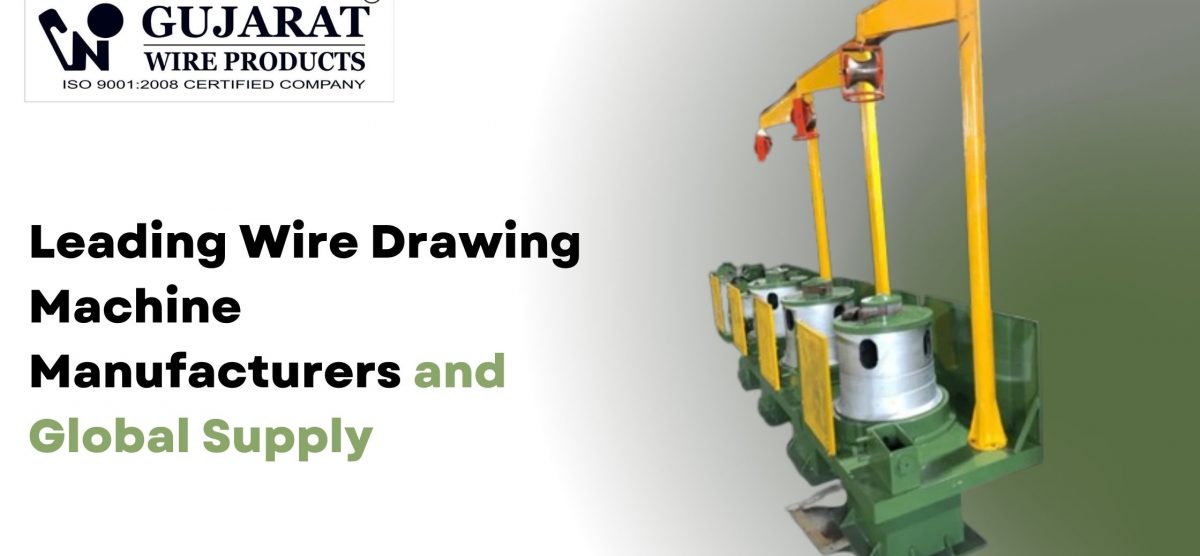
Wire Drawing Machine Manufacturer – A Guide
Buying a wire drawing machine from the wrong source is a slow-burning problem. The machine ships, installs, and runs fine for three months. Then a bearing fails, a die holder cracks, or the control board throws an error—and you discover that the nearest service technician is 14,000 kilometres away. Lead times on spare parts stretch to eight weeks. Your line sits idle. The machine that looked like a cost-saving decision becomes the most expensive equipment on your floor. The global wire drawing machine market is large, diverse, and full of capable manufacturers. But “capable” and “right for your operation” are two different standards. This guide maps the global supply landscape by region, explains what each manufacturing hub does well and where it falls short, identifies what separates strong vendors from catalogue sellers, and gives you a practical sourcing framework—so your next purchase decision holds up through the full production lifecycle, not just the first quarter.
Types
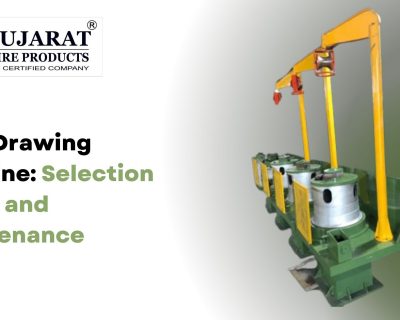
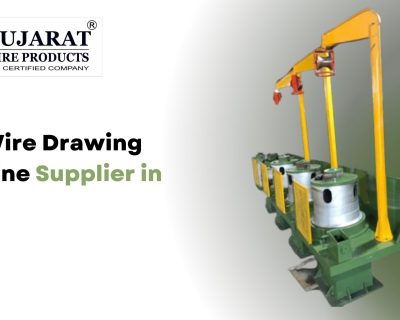
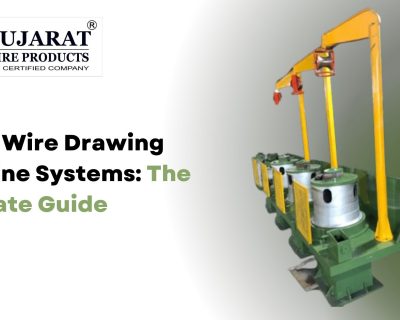
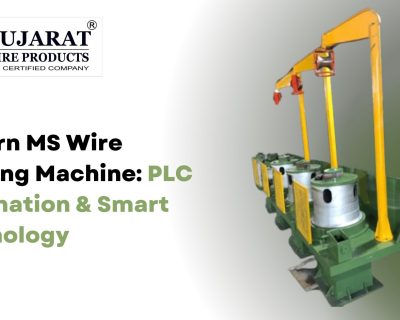
1. GWP 300 Wire Drawing Machine
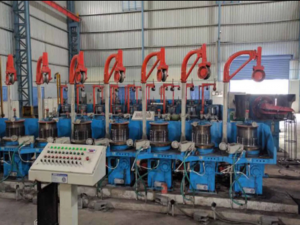
Technical Specifications
| Type | OTO Type Wire Drawing Machine |
|---|---|
| No. of Blocks | 4 |
| Block dia | 4OOmm |
| Material to be drawn | M.S Wire |
| Inlet Wire size | 1.65mm |
| Finished Wire Size | 0.9mm |
| Speed | 188 mtrs/ Min. |
| A.R./ draft | 25% |
| Capstan (a) Construction | Graded cast iron precision machined drawing surface Metalized and ground |
| Die box | Adjustable for proper cast and helix. |
| Gear box | Fabricated from mild steel and precision machined |
| Gear | Worm reduction type |
| Gaurd | Provided |
| Bearing | Heavyduty, ball and taperrollerbearin of standard make |
| lubrication | Splash Lubrication |
| Production capacity | 9OO kgs/ 1 shift 12 hours ( working basis for O.9mm wire dia at 75 % efficiency |
| Electrical motor | 10/1, 7.5/3, 1440 RPM, Sq. cage introduction type, 3 phase , 415 volts , 50 H/z., supply electric motor |
2.GWP 400 Wire Drawing Machine
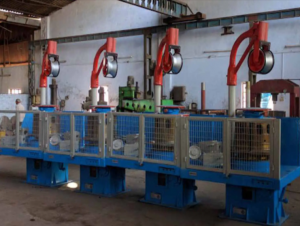
Technical Specifications
| Type | OTO Type Wire DrawingMachine |
|---|---|
| No. of Blocks | 4 |
| Block dia | 400mm |
| Material to be drawn | M.S Wire |
| Inlet Wire size | 2.65mm |
| Finished Wire Size | 1.65mm |
| Speed | 188 mtrs/ Min. |
| A.R./ draft | 25% |
| Capstan (a) Construction | Graded cast iron precision machined drawing surface Metalized and ground |
| Die box | Adjustable for proper cast and helix. |
| Gear box | Fabricated from mild steel and precision machined |
| Gear | Worm reduction type |
| Gaurd | Provided |
| Bearing | Heavyduty, ball andtaperrollerbearin f stanctard make |
| lubrication | Splash Lubrication |
| Production capacity | 3000kgs/ 1 shift 12 hours ( working basis for 1.65mm wire dia at 75 % efficiency |
| Electrical motor | 15/2, 7.5/2, 1440 RPM, Sq. cage introduction type, 3 phase , 415 volts , 50 T1/z., supply electric motor |
3. GWP 600 Wire Drawing Machine
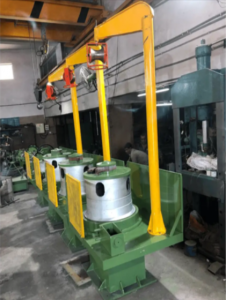
Technical Specifications
| Type | OTO Type Wire Drawing Machine |
|---|---|
| No. of Blocks | 6 |
| Block dia | 600mm |
| Material to be drawn | M.S Wire |
| Inlet Wire size | 6.00mm |
| Finished Wire Size | 2.65mm |
| Speed | 188 mtrs/ Min. |
| A.R./ draft | 25% |
| Capstan (a) Construction | Graded cast iron precision machined drawing surface Metalized and ground |
| Die box | Adjustable for proper cast and helix. |
| Gear box | Fabricated from mild steel and precision machined |
| Gear | Worm reduction type |
| Gaurd | Provided |
| Bearing | Heavyduty, ball and taperrollerbearin of standard make |
| lubrication | Splash Lubrication |
| Production capacity | 5000kgs/ 1 shift 12 hours ( working basis for 2.65mm wire dia at 75 % efficiency |
| Electrical motor | 30/1, 25/2, 20/3, 1440 RPM, Sq. cage introduction type, 3 phase , 415 volts , 50 H/z., supply electric motor |
Global market overview
The wire drawing machine market is driven by construction activity, automotive supply chains, power cable infrastructure, and the accelerating demand for EV wiring harnesses. Demand is growing fastest in Asia-Pacific and the Middle East, where infrastructure build-out and manufacturing expansion are running simultaneously.
Technology is shifting in a consistent direction: multi-wire drawing, variable frequency drives for energy efficiency, and PLC-based controls that integrate with upstream rod breakdown and downstream stranding or forming operations. Buyers who purchase standalone machines without checking integration compatibility are already buying yesterday’s infrastructure.
Major manufacturing regions
Europe
European manufacturers—primarily from Germany and Italy—built their reputations on precision engineering for automotive and specialty wire applications. Their machines handle tight tolerances, deliver consistent surface finish on high-value alloys, and come with advanced lubrication and cooling systems.
The trade-off is price. European equipment sits at the top of the cost range, and service networks outside Western Europe are thin. For commodity nail wire or general-purpose low-carbon steel, the precision premium rarely translates into measurable production benefit.
Asia-Pacific
China and India supply the majority of mid-range wire drawing equipment globally. Chinese manufacturers have scaled rapidly into high-speed copper lines, water-tank wet drawing, and rod breakdown machines—often at 40–60% of European prices for comparable throughput specs.
India’s manufacturers focus heavily on steel wire applications: straight-line drawing for nail wire, general-purpose low-carbon steel, and robust designs built for continuous production in hot, dusty environments. One underreported data point: Indian-built wire drawing equipment is now supplied to wire producers in Europe—not as a cost-saving compromise, but because the machines hold up under round-the-clock commercial production.
North America and emerging markets
North America runs primarily on imported European and Asian equipment, with strong local demand from wire, cable, and construction sectors. The Middle East, Africa, and Latin America represent the fastest-growing buyer base—often sourcing from Asian OEMs who offer better spare parts logistics than European suppliers at their price point.
How to evaluate a manufacturer
Most buyers shortlist based on machine specs. The vendors who cause the most post-purchase problems rarely fail on specifications—they fail on service speed, documentation quality, and spare parts availability.
Technical criteria to check:
- Wire type coverage: rod breakdown, dry drawing, wet drawing, fine wire
- Control system: PLC-based preferred; avoid proprietary systems with no local support
- Energy efficiency: VFD drives and heat-exchanged cooling reduce operating costs measurably
- Safety standards: guards, emergency stops, interlocks—documented and certified
Business criteria that matter more:
- Installed base in your region and verifiable references
- Spare parts availability: can you get a die holder or control board within 48 hours?
- Customization depth: can they configure the line for your specific wire grade and diameter range?
- Language and documentation support: manuals, wiring diagrams, and service contacts in a language your team reads
Global sourcing strategies
The most common pattern among mid-sized wire producers globally: one high-precision European or Japanese line for specialty or high-value applications, and one or two Indian or Chinese lines for commodity wire production. This split-sourcing approach manages cost without compromising quality on products where it matters.
Single-source buyers who go all-in with one distant supplier expose themselves to parts and service risk the moment something breaks outside warranty. The practical de-risking moves are straightforward:
- Stock a 6-month supply of critical wear parts (dies, bearings, belts, sensors) at commissioning
- Confirm regional service coverage before signing, not after delivery
- Negotiate a 72-hour spare parts response commitment into the purchase agreement
India’s role in global supply
India has moved from being a low-cost alternative to a primary supply choice for steel wire applications in growing markets. The reasons are concrete: Indian machines are built for continuous multi-shift operation in developing-market conditions—fluctuating power supply, ambient heat, and less specialized operator training than European factories assume.
The sweet spot for Indian-built equipment is nail wire and general-purpose low-carbon steel: diameters from 1.6mm to 6.5mm, continuous drawing at 200–600 metres per minute, and straightforward integration with nail making machines or downstream forming equipment. For buyers in Africa, South Asia, and the Middle East, lead times from an Indian manufacturer run 4–8 weeks versus 16–24 weeks from Europe—a production planning difference that affects project timelines significantly.
FAQs
What’s the right wire drawing machine type for nail wire production?
A straight-line dry drawing machine handles low-carbon steel wire from 5.5–6.5mm rod down to 1.6–3.5mm efficiently. Wet drawing machines are optimized for fine copper and aluminium wire and add unnecessary complexity for steel nail wire production.
How many drawing passes does nail wire typically require?
Reducing from 6.5mm to 2.5mm wire typically takes 8–10 passes through progressively smaller carbide dies. Each pass reduces cross-section by 15–20%. The exact number of passes depends on reduction ratio per die and the annealing requirements of the specific steel grade.
Can one wire drawing machine feed multiple nail making machines?
Yes, provided the drawing machine’s output rate matches or slightly exceeds the combined wire consumption of all nail machines. A standard configuration is one drawing line feeding two to three nail machines. Running the drawing line at 110–115% of nail machine demand gives a small buffer without creating oxidation-prone sitting inventory.
What does VFD (variable frequency drive) actually do for wire drawing?
A VFD lets you adjust motor speed electronically, which means you can fine-tune drawing speed for different wire diameters and steel grades without changing pulleys or gears. It reduces energy consumption by 20–35% on partial-load cycles and protects the motor during startup. On machines without VFDs, every speed adjustment is manual and imprecise.
Match your supplier to your supply chain
Choosing a wire drawing machine manufacturer is a supply chain decision, not just an equipment purchase. The manufacturing region determines spare parts logistics. The vendor’s installed base determines how quickly field problems get solved. The integration capability determines whether your drawing line and downstream equipment work as a matched system or fight each other on tolerance and throughput.
Gujarat Wire Products manufactures wire drawing machines engineered specifically for steel nail wire and general-purpose low-carbon applications—built in Rajkot, Gujarat, and backed by fast-turnaround spare parts, on-site commissioning, and a technical team that speaks the language of your production floor.
Ready to source a wire drawing line that fits your output targets and stays supported long after installation? Visit gujaratwireproducts.com or contact our team for machine specifications, line integration assessments, and regional delivery timelines.