Blog
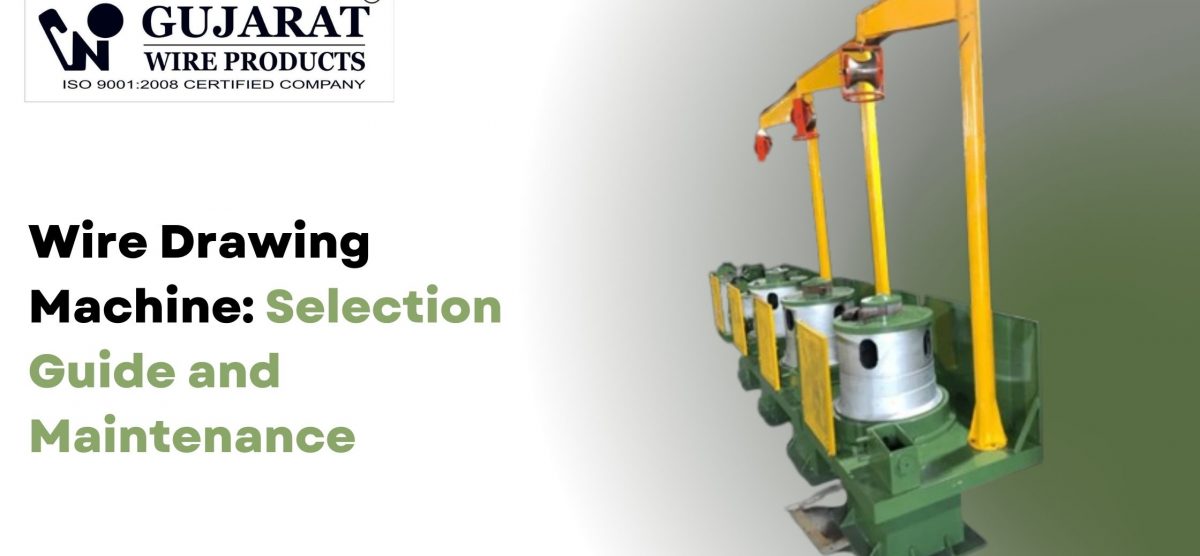
Wire Drawing Machine: Selection Guide and Maintenance
Most wire drawing machine purchases go wrong before the equipment ships. Buyers focus on motor power and drawing speed while ignoring three variables that determine actual production performance: material-to-machine compatibility, reduction ratio scheduling, and maintenance accessibility for their specific factory conditions. The result is equipment that runs at 65% capacity, produces dimensional drift within the first year, and requires expensive service visits for problems that correct selection and basic upkeep would have prevented entirely. Here’s the uncomfortable pattern that plays out repeatedly: manufacturers who spend 15% more on properly matched machines recover that premium within 14 months through reduced wire breakage, lower die consumption, and fewer unplanned stoppages. This guide covers the four machine types and where each fits, the six selection criteria that prevent costly mismatches, critical technical specifications to verify before purchase, and the maintenance schedule that extends equipment life from five years to fifteen.
Machine Types and Real-World Fit
Straight Line Machines
Straight line machines process wire in a direct linear path through sequential dies at speeds reaching 800–1,200 metres per minute. This design handles high-carbon steel, stainless grades, and materials requiring precise tension control between passes. The rigid frame eliminates wire twist, which matters for applications where grain structure orientation affects final mechanical properties.
These machines suit high-volume operations producing construction wire, cable armoring, and fastener stock where consistent diameter tolerance is non-negotiable.
Pulley (Block) Type Machines
Pulley machines use rotating capstans to pull wire through dies positioned at varying heights. They offer lower equipment cost and flexible speed adjustment between drawing stages. This design accommodates mild steel and general-purpose wire production where frequent specification changes require fast, practical die-swap access.
The trade-off: pulley systems introduce slight wire twist per pass. For applications where surface finish and mechanical property consistency matter, straight line configurations outperform them.
Water Tank Machines
Water tank machines immerse the drawing process in coolant, preventing heat buildup that degrades copper, aluminum, and soft alloy properties. These systems achieve fine wire diameters down to 0.15mm while maintaining surface conductivity for electronics, telecom cable, and precision spring applications.
Multi-Block and Vertical Configurations
Multi-block machines process multiple wire strands simultaneously for high-volume commodity production. Vertical configurations handle heavy-gauge wire and rod stock where horizontal frame lengths would create space constraints. Both serve niche volume needs rather than general manufacturing.
Selection Criteria That Prevent Mismatches
Match machine type to these six factors before evaluating price:
- Material grade: Carbon content, alloy composition, and coating type (galvanized, bare, copper-clad) determine die material and lubrication requirements
- Inlet and outlet diameter range: Machines designed for 8mm–2mm reduction schedules cannot economically handle 0.5mm fine wire targets
- Reduction ratio per pass: 15–20% per die for stainless grades; 25–30% for mild steel—mismatching causes breakage and premature die failure
- Production volume: Straight line machines justify higher cost at volumes above 40 tons monthly; pulley types suit smaller batch operations
- Automation level: PLC-controlled tension feedback prevents diameter drift without operator intervention—critical for multi-shift operations
- Integration compatibility: Power supply capacity, floor space, coiler and pay-off stand compatibility with existing line layouts
Key Technical Specifications to Verify
Before signing a purchase order, confirm these specifications match your actual production requirements:
- Drawing speed range (minimum and maximum, not just peak)
- Motor power and starting current versus your facility’s electrical capacity
- Capstan diameter relative to minimum wire diameter—undersized capstans cause fatigue bending
- Die box compatibility with your standard die sizes and materials
- Frequency converter fitted as standard or optional add-on (affects energy consumption by 20–30%)
- Cooling system capacity for your target production speed and wire material
Maintenance Schedules That Extend Machine Life
Daily Tasks (15 minutes)
- Lubricate capstan bearings, die boxes, and chain drives per manufacturer intervals
- Visually inspect wire path for alignment drift, unusual wear marks, and coolant leaks
- Check die condition—surface scoring visible to the eye indicates replacement is overdue
Weekly Tasks
- Inspect belt tension and conveyor systems for slippage or misalignment
- Verify die wear by measuring wire diameter at machine exit against target specification
- Clean coolant filters and check concentration levels for water tank machines
Monthly and Periodic Tasks
- Calibrate tension control sensors and verify PLC alarm thresholds
- Inspect bearings for heat, noise, and play—replace at first signs rather than waiting for failure
- Check capstan groove wear patterns; uneven grooves cause wire surface marking and diameter inconsistency
- Review die replacement cycle data: tracking die life per material batch reveals supplier quality shifts before they escalate into production problems
Troubleshooting Common Problems
Wire Breakage
Wire breakage traces to four root causes in 90% of cases:
- Reduction ratio per pass exceeding material work-hardening capacity
- Die misalignment creating off-centre drawing forces
- Lubrication failure causing metal-to-metal contact and heat spikes
- Worn capstan grooves generating uneven tension between drawing stages
Adjusting reduction schedules before replacing dies solves the majority of breakage issues—die wear is rarely the primary cause.
Surface Defects
Longitudinal scoring indicates die surface damage or contamination in the lubricant. Transverse marks suggest vibration from capstan imbalance or loose die box mounting. Both problems require stopping production immediately—running defective wire compounds die damage and creates material that fails downstream quality checks.
FAQs
How do you choose between straight line and pulley type machines?
Straight line machines suit high-carbon, stainless, and precision applications where wire twist and surface integrity matter. Pulley machines work for mild steel general wire where lower cost and frequent die access outweigh precision requirements. If your order mix includes both, start with straight line—it handles mild steel adequately while pulley machines cannot handle high-carbon grades.
What maintenance frequency prevents the majority of breakdowns?
Daily lubrication and visual checks prevent 70% of mechanical failures. Weekly die wear measurements catch the dimensional drift that creates customer rejections before entire batches are affected. Monthly bearing and alignment checks address the remaining 25% of failure causes—leaving roughly 5% for genuinely unpredictable component failures.
Which specifications matter most when comparing machines at similar price points?
Frequency converter fitment and tension control system quality determine daily operating costs more than any other feature. Machines without VFDs draw 25–30% more power and cannot compensate for material hardness variations between supplier batches. Prioritise these over higher rated drawing speeds that real-world conditions rarely allow machines to sustain.
Can one machine process multiple wire materials?
Yes, with die and lubrication changes. Stainless steel requires tungsten carbide or diamond dies and soap-based lubricants. Copper needs diamond dies and oil-based coolant. Switching between materials requires complete lubricant system flushing to prevent cross-contamination that damages wire surfaces and accelerates die wear.
Conclusion
Wire drawing machine selection comes down to matching equipment capabilities to the actual material grades, diameter ranges, and production volumes your operation runs daily. Maintenance discipline determines whether that match holds for five years or fifteen. Getting both right eliminates the stoppages and rework costs that erode margins on every production shift.
Gujarat Wire Products builds wire drawing machines engineered for India’s production realities—variable power supply, diverse material batches, and extended shift demands. Our systems deliver the material compatibility, tension control, and maintenance accessibility that keeps operations running at specification across years of continuous use. Ready to match machine capabilities to your production requirements? Visit gujaratwireproducts.com or contact our engineering team for a selection consultation and site-specific maintenance plan tailored to your wire grades and output targets.