Blog
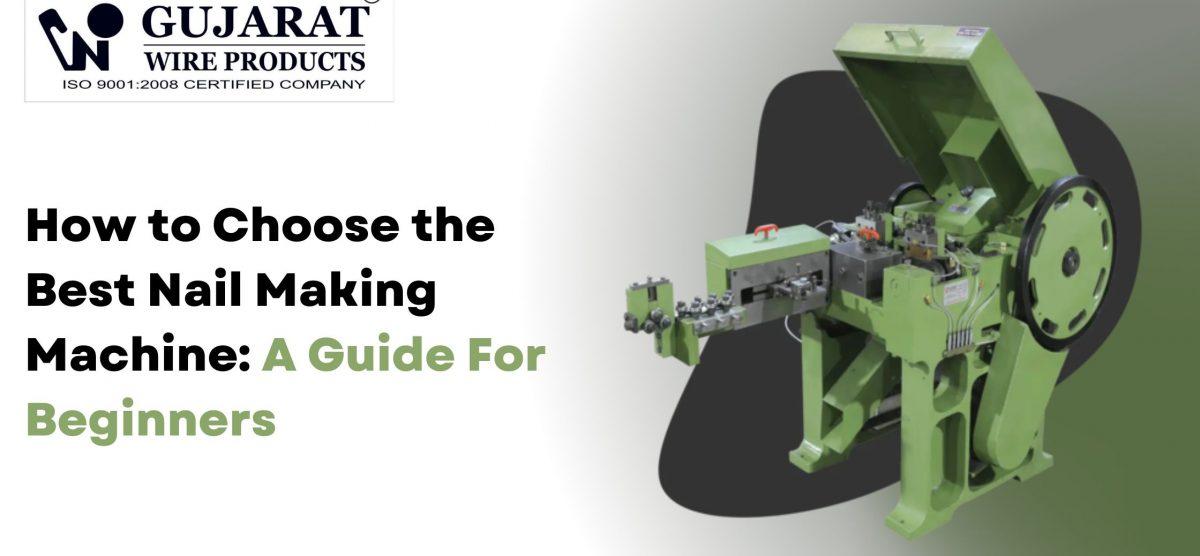
How to Choose the Best Nail Making Machine: A Guide For Beginners
Most first-time buyers walk into the nail machine market looking at one number: price. They find something that fits the budget, place the order, and spend the next six months fighting inconsistent nail lengths, broken cutting dies, and output rates that can’t meet actual orders. The machine wasn’t wrong—the buying decision was. Choosing a nail making machine isn’t a single purchase; it’s a production system decision that locks in your capacity, your wire source, your maintenance load, and your ability to scale. Get the fundamentals right from the start and you avoid the expensive upgrade cycle most small shops face within 18 months. This guide covers every factor that matters: production capacity, nail size range, machine types, technical specs, real pricing, maintenance basics, and vendor evaluation. Work through it in order and you’ll arrive at a clear shortlist—not a spreadsheet full of confusion.
Understanding Nail Production Basics
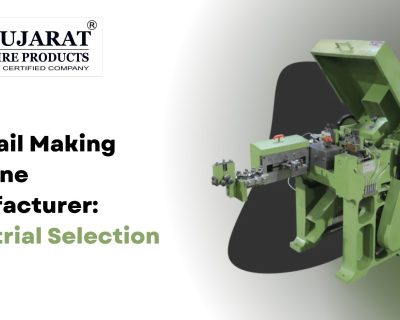
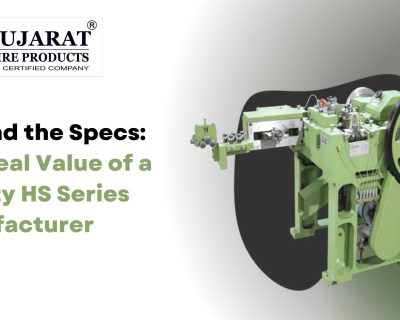
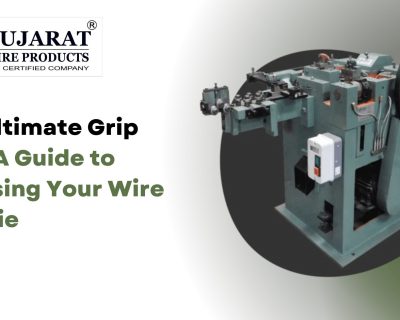
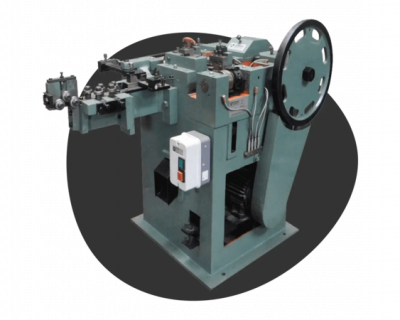
A nail making machine is the forming stage in a three-step production chain: wire drawing, nail forming, and polishing. The nail machine pulls pre-drawn wire from a spool, forms the head, cuts the length, and points the tip in one continuous cycle.
Beginners routinely buy the nail machine first, then discover they need a wire drawing machine to feed it and a polishing drum to finish the product. Budget for the full line from day one—buying piecemeal costs 30–40% more than sourcing a bundled setup.
Key Factors to Evaluate
Production capacity
Match machine speed to your realistic daily order volume—not your best-case projection.
- Small startups: 100–200 nails/min; 30–80 kg/day
- Growing operations: 200–400 nails/min; 80–200 kg/day
- Commercial production: 400–600+ nails/min; 200–600 kg/day
A counterintuitive pattern: buyers who purchase 600 kg/day machines to “future-proof” often run them at 15% capacity for two years. Underloaded machines wear unevenly and demand more maintenance per kg produced, not less.
Nail size and specifications
Every machine has a fixed wire diameter range and nail length range. Buying outside those limits means buying a second machine.
- Wire diameter compatibility: 1.2mm–6mm (varies by model)
- Nail length ranges: 16–50mm (small), 50–100mm (medium), 100–180mm (large)
- Head types: flat, countersunk, checkered
Identify your primary nail size before shortlisting machines. If you plan to produce both 25mm finishing nails and 100mm common nails, you need two machines or one wide-range model—not a compromise that does both poorly.
Machine types
- Manual feed: Lowest entry cost; labor-intensive; suited to under 50 kg/day
- Semi-automatic: Auto-feeding with manual adjustments; right for most first-time buyers at 80–200 kg/day
- Fully automatic: CNC-controlled, minimal operator input; viable above 200 kg/day
Start with semi-automatic unless your order book already justifies full automation. Semi-auto machines are easier to learn, simpler to service, and let you understand nail machine maintenance before adding automation complexity.
Material compatibility
Use low carbon steel wire (Q195 or SAE 1008) with tensile strength in the 350–450 MPa range. Higher carbon content accelerates die wear and causes wire breaks during the heading cycle. Your wire drawing setup must deliver consistent diameter within ±0.05mm—wider variation causes nail machine jams that look like mechanical faults but are actually wire quality problems.
Technical Specifications Checklist
Verify these on the spec sheet before committing:
- Power supply: Single-phase (220V) for smaller machines; three-phase (380V) for high-speed models
- Motor power: 1.5–4 kW typical; higher for larger nail sizes
- Die material: Carbide dies outlast tool steel by 8–10x in production conditions
- Footprint: Most semi-auto machines run 1.2m × 0.8m; confirm floor space early
Cost and Budget Reality
Entry-level semi-automatic machines start around ₹1.5–3 lakh. Fully automatic models range from ₹5–12 lakh depending on speed and size capability.
The figure most beginners miss: auxiliary equipment adds 40–60% on top of the base machine cost.
- Wire drawing machine: ₹1–3 lakh
- Polishing drum: ₹50,000–1.5 lakh
- Cutter grinder and die tools: ₹30,000–80,000
Factor these in before comparing machines on price alone. A cheap standalone unit with no bundled support costs more by month six than a slightly higher-priced integrated package from a single vendor.
Maintenance Basics
First-time buyers consistently underestimate tooling maintenance. Cutting knives and heading dies need scheduled inspection—not just breakdown repairs.
- Inspect cutting knives every 8–12 operating hours
- Dress heading dies when nail head shape becomes irregular
- Lubricate cam and crank mechanisms per the machine schedule
- Keep spare knives in stock; waiting for courier delivery shuts your line down
Machines with locally available spare parts save more money than better initial specs on paper.
Vendor Evaluation
Where you buy matters as much as what you buy—especially for first-time operators who need fast installation support and same-day spare parts.
Evaluate vendors on:
- On-site installation and commissioning: Does the vendor set it up and train your team?
- Spare parts availability: Are knives, dies, and bearings available locally or only on order?
- After-sales response: Can you reach a technician within 24 hours?
- Demo or trial run: Reputable suppliers let you see the machine running on your target nail size before purchase
A vendor operating from a factory in your region cuts spare parts lead times from weeks to days. That difference determines whether a breakdown costs you one shift or ten.
FAQs
Can one nail machine produce multiple sizes?
Yes, but within a defined range. Most machines cover a wire diameter band of 1–2mm and a length range of 30–60mm without die changes. Going outside that range needs dedicated tooling or a second machine. Plan your product mix before locking in a model.
Do I need a wire drawing machine if I source pre-drawn wire?
You can start that way, but external wire often runs ±0.1–0.15mm in diameter variation—enough to cause heading failures and machine jams. An in-house wire drawing machine restores diameter control and typically pays back within 6–12 months in reduced downtime and scrap.
What’s the first sign a cutting knife needs sharpening?
Nail points with a burr or slight hook shape. This appears before you see fully flat-pointed rejects. Address it immediately—continuing past this stage damages the die block and creates a far more expensive repair than a routine knife sharpening.
Start Right, Scale Confidently
Buying the right nail making machine comes down to matching capacity to current volume, locking in the wire size range your products require, pricing the full line (not just the machine), and choosing a vendor on service speed rather than catalog price. Get those four decisions right and your production line runs from day one instead of spending months in troubleshooting.
Gujarat Wire Products manufactures nail making machines, wire drawing equipment, and polishing drums as complete integrated production packages—built in Rajkot, Gujarat, and backed by on-site installation, local spare parts, and a technical team available when your line needs support.
Ready to set up your nail production line? Visit gujaratwireproducts.com or contact our team for a free production assessment and machine recommendation tailored to your target output and nail size range.