Blog
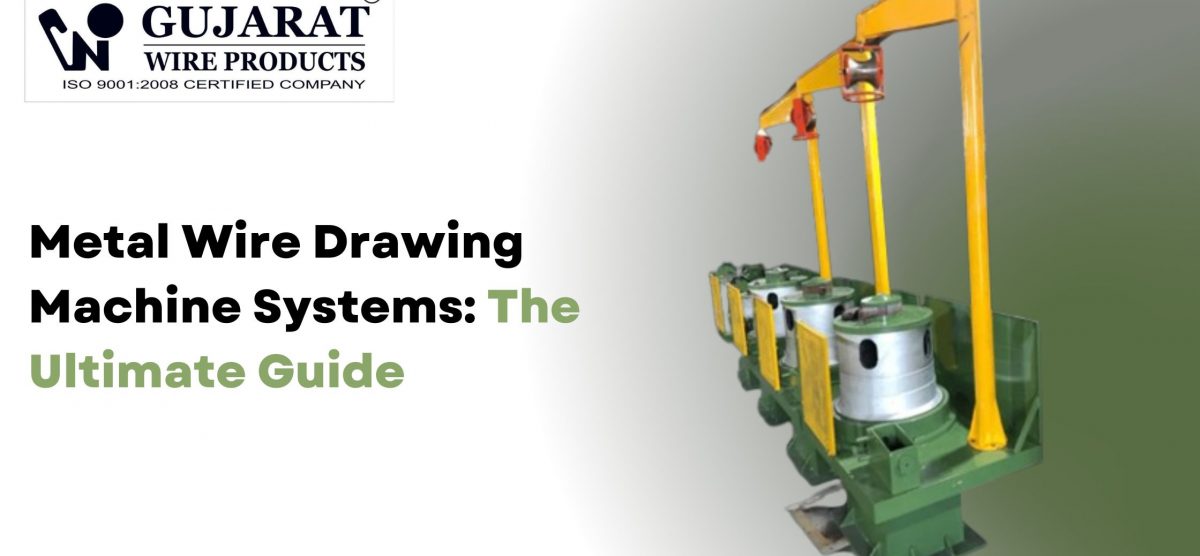
Metal Wire Drawing Machine Systems: The Ultimate Guide
Introduction
Metal wire drawing often looks simple from the outside. Feed a wire, pull it through dies, collect the output. Inside a factory, it is rarely that clean. Diameter drift, wire breaks, surface scratches, uneven tensile strength, and unplanned stoppages usually trace back to one issue: the wire drawing system was never designed as a system. It grew piece by piece.
A modern metal wire drawing machine system changes that. It treats pay-off, reduction, tension control, lubrication, and take-up as one connected process. When these elements work together, output stabilizes. Scrap drops. Operators stop chasing problems mid-shift.
This guide explains how metal wire drawing machine systems actually work, the main system types used in industry, and where buyers often misjudge requirements. It breaks the topic into practical sections: components, control logic, applications, and selection criteria. The aim is not to oversell technology, but to help manufacturers choose systems that behave predictably under real production conditions.
What is a metal wire drawing machine system
A metal wire drawing machine system reduces wire diameter by pulling metal through a series of dies. Each die applies controlled deformation.
What makes it a system is integration. Pay-off, drawing blocks, lubrication, tension control, and take-up are designed to work together.
Without system-level design, even high-quality machines behave inconsistently.
How wire drawing machine systems work
Pay-off and wire preparation
The system starts with controlled wire unwinding. Pay-off speed and tension must stay stable.
Poor pay-off causes stress spikes that lead to wire breaks later in the line.
Progressive reduction through dies
Wire passes through multiple dies, each reducing diameter by a calculated percentage. Reduction balance matters more than the number of passes.
Too aggressive reduction increases heat and surface damage.
Tension control and synchronization
Each drawing stage must run in coordination. Tension differences create micro-cracks and uneven finish.
Modern systems manage this continuously, not manually.
Take-up and coil handling
Finished wire is wound under controlled tension. Proper take-up prevents edge damage and tangled coils.
Many downstream defects originate here, not at the dies.
Types of wire drawing machines used in systems
Pulley type wire drawing machines
Pulley systems use multiple capstans arranged in a loop. They suit medium-speed, flexible production.
They require careful tension monitoring to stay stable.
Straight-line wire drawing machines
Straight-line machines align dies and blocks linearly. Wire bending is minimal.
They are preferred for high-volume production with tight tolerances.
Wet wire drawing machines
Wet systems immerse wire and dies in lubricant. Friction and heat are controlled effectively.
They are widely used for fine wire and surface-critical applications.
Dry wire drawing machines
Dry systems rely on surface lubrication. They work well for larger diameters and simpler finishes.
Heat management becomes the key challenge.
Vertical and heavy-duty configurations
Vertical systems save floor space. Heavy-duty systems handle high loads and long runs.
Choice depends on layout and duty cycle, not only wire size.
Key components of a wire drawing system
Pay-off units
These control wire entry tension. Servo or dancer-based systems improve stability.
Simple mechanical pay-offs often limit system performance.
Drawing blocks and drives
Blocks pull the wire through dies. Drive accuracy and rigidity define consistency.
Weak frames show vibration long before failure.
Dies and die holders
Die quality affects surface finish and tensile properties. Alignment matters as much as material.
Poor holders undo good die selection.
Lubrication and cooling systems
Lubrication reduces friction and heat. Cooling stabilizes die life.
Inconsistent lubrication causes most surface defects.
Take-up and coilers
Coilers define final wire quality for storage and feeding. Misalignment causes hidden damage.
Good take-up design reduces handling losses.
Control systems and automation
Manual versus automated control
Manual systems depend on operator experience. Automated systems rely on sensors and logic.
Automation reduces variation between shifts.
Tension monitoring and feedback
Sensors track tension in real time. Control logic adjusts speed automatically.
This prevents defects before they appear.
Data logging and process visibility
Modern systems log speed, tension, and faults. Patterns become visible quickly.
Many plants discover most issues occur during coil changeovers.
Safety and fault handling
Integrated safety logic stops damage from spreading. Controlled shutdowns protect wire and machines.
This reduces recovery time after faults.
Applications across industries
Steel and ferrous wire
Used in nails, fasteners, reinforcement, and hardware. Consistency matters more than finish.
Straight-line and heavy-duty systems dominate.
Copper and aluminium wire
Electrical and cable applications need clean surfaces. Wet systems are common.
Small defects here cause large downstream losses.
Fine and precision wire
Used in springs, electronics, and specialty components. Tension stability is critical.
Automation adds the most value in this segment.
Construction and infrastructure wire
Long runs and harsh conditions define performance. Reliability outweighs peak speed.
System robustness matters more than control sophistication.
System selection criteria
Define dominant production needs
Design around the wire sizes and materials you run most often. Rare jobs should not dictate system choice.
Over-flexibility often reduces stability.
Match capacity to downstream flow
A fast drawing line feeding slow downstream processes creates bottlenecks.
Balanced systems outperform isolated machines.
Evaluate layout and footprint
Floor space, access paths, and maintenance zones affect uptime.
Compact systems are not always easier to maintain.
Consider service and spares access
Downtime costs exceed energy costs. Local support and standard parts protect output.
This is often underestimated during purchase.
Benefits of a well-designed wire drawing system
A properly designed system delivers advantages that compound quietly.
- Stable diameter and surface finish
- Fewer wire breaks and stoppages
- Predictable maintenance cycles
- Lower operator stress and fatigue
A contrarian insight is that many plants accept scrap as normal. In practice, scrap often signals poor system integration, not material limits.
Common defects and process issues
Wire breakage
Often caused by tension imbalance or poor pay-off control.
Fixing breaks upstream prevents repeated failures.
Surface scratches and scoring
Usually linked to lubrication gaps or die misalignment.
Increasing speed rarely solves this.
Diameter variation
Comes from inconsistent reduction or block synchronization.
Automation corrects this faster than manual adjustment.
Heat-related damage
Excess heat shortens die life and weakens wire.
Cooling and reduction balance matter more than RPM.
Maintenance and lifecycle practices
- Inspect dies based on surface finish, not time
- Monitor tension trends, not just alarms
- Keep lubrication clean and consistent
- Check alignment after every major stoppage
Plants that follow these basics extend system life significantly.
Frequently asked questions
Q: Is a full system necessary for small production?
A: If quality consistency matters, yes. Even small lines benefit from integrated tension and lubrication control.
Q: When should automation be added?
A: When variation between shifts affects output. Automation stabilizes behavior before defects appear.
Q: Can one system handle multiple materials?
A: Yes, within limits. Dies, lubrication, and reduction schedules must be adjusted carefully.
Q: How long does commissioning take?
A: Proper commissioning takes time. Rushed setup leads to long-term instability.
Conclusion
Metal wire drawing machine systems define the quality ceiling of wire-based manufacturing. Machines alone do not solve problems. Systems do. When pay-off, reduction, control, and take-up work together, output becomes predictable and repeatable.
If you are planning expansion or replacement, think in terms of systems, not standalone machines.
Gujarat Wire Products designs and supplies metal wire drawing machine systems built for stable output and long service life. Our focus is system integration, practical control, and real factory conditions.
Take the next step. Contact Gujarat Wire Products to discuss your wire profile and get a system recommendation aligned with your production needs.