Blog
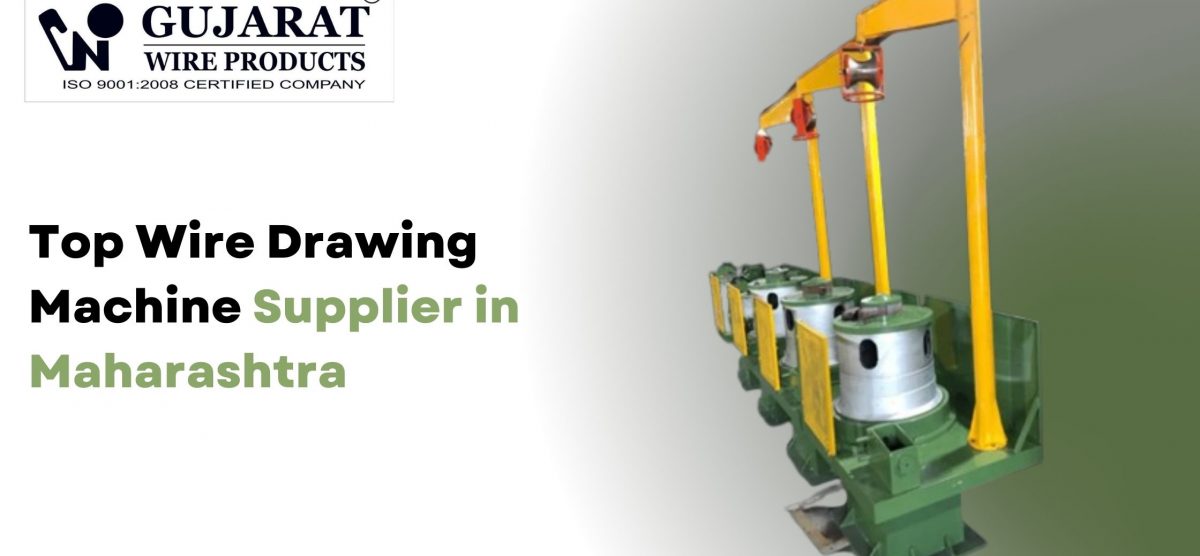
Top Wire Drawing Machine Supplier in Maharashtra
Introduction
Wire manufacturers across Maharashtra face a familiar constraint. Demand keeps rising, but production stability does not. Diameter variation, frequent die wear, inconsistent surface finish, and rising power costs quietly erode margins long before output targets are missed. Many plants still rely on legacy wire drawing setups that were adequate a decade ago but now struggle under tighter tolerances and faster dispatch cycles.
A modern wire drawing machine changes this equation. It replaces reactive production with controlled, repeatable output. When selected correctly, it reduces scrap, simplifies operator workload, and keeps downstream processes stable. The difference is not speed alone. It is predictability.
This article explains what wire drawing machines actually do, how different types behave in real factory conditions, and what buyers in Maharashtra should evaluate before choosing a supplier. We also cover regional demand patterns, common buying mistakes, and practical selection criteria that affect uptime long after installation.
What is a wire drawing machine
A wire drawing machine reduces the diameter of metal wire by pulling it through a sequence of precision dies. Each pass reduces thickness while improving dimensional control.
The process strengthens the wire through cold working. This improves tensile properties while maintaining surface quality when lubrication and die selection are correct.
These machines form the backbone of wire-based manufacturing. They feed downstream operations such as nail making, welding electrodes, springs, cables, and reinforcement wire.
Types of wire drawing machines
Single block and multi-die machines
Single block machines use one capstan and are suited for limited reduction ranges or batch production. Multi-die machines perform continuous reduction across several dies, making them better for high-volume output.
Multi-die systems reduce handling errors because wire flows through the process without manual intervention between passes.
Wet and dry wire drawing
Wet wire drawing immerses the wire and dies in lubricant. This reduces friction and die wear, making it suitable for fine wire and higher surface finish requirements.
Dry wire drawing uses surface lubrication only. It works well for larger diameters and simpler applications but requires tighter monitoring of heat buildup.
Continuous and intermittent systems
Continuous machines maintain steady tension and speed across the line. Intermittent systems pause between stages and are often used where space or budget is limited.
In practice, continuous systems deliver more consistent wire quality over long shifts.
How wire drawing machines work
Payoff and wire preparation
Wire is unwound from coils using a controlled payoff system. Stable payoff prevents sudden tension spikes that cause micro-cracks or diameter variation.
Die reduction and capstan control
The wire passes through dies that reduce diameter incrementally. Capstans pull the wire forward while maintaining tension balance between stages.
Even small tension mismatches can create surface scoring. This is why mechanical rigidity matters more than peak speed.
Take-up and coil formation
Finished wire is wound onto spools or coils. Proper take-up alignment prevents edge damage and tangled coils, which often go unnoticed until downstream use.
Key features buyers should evaluate
Diameter accuracy and repeatability
Most buyers focus on speed. Experienced manufacturers focus on repeatability. A machine that holds tolerance across long runs saves more money than one that runs faster for short bursts.
Die life and lubrication efficiency
Die replacement frequency directly affects downtime. Machines with optimized lubrication paths extend die life and reduce surface defects.
Energy behavior under load
Contrary to popular belief, power efficiency differences show up only under sustained operation. Machines that run cooler consume less energy over long shifts.
Operator interface and fault visibility
Complex control panels slow down response time. Clear fault indicators and simple controls reduce dependency on highly skilled operators.
Benefits of high-quality wire drawing machines
Modern wire drawing machines improve operations in ways that are not always visible in the first month.
- Stable diameter reduces rejection in downstream machines
- Consistent surface finish improves weldability and coating
- Lower vibration extends bearing and die life
- Predictable output simplifies production planning
A less discussed benefit is fewer emergency stoppages. Plants with stable drawing lines report calmer shifts and fewer night-call maintenance events.
Maharashtra market overview
Maharashtra hosts wire consumers across automotive, construction, electrical, and general engineering sectors. Industrial clusters around Pune, Mumbai, Nashik, Kolhapur, and Aurangabad demand both volume and consistency.
A noticeable pattern is underutilized capacity. Many plants own machines that can run faster but choose not to because quality drops beyond a certain speed. This indicates a mismatch between machine capability and real operating conditions.
Another pattern is space pressure. Compact, multi-die machines often outperform larger setups simply because they integrate better into existing layouts.
How to choose the right supplier in Maharashtra
Match machine type to product mix
Suppliers often oversell capacity. Buyers should define their dominant wire sizes and materials first, then select machines built around those ranges.
Evaluate service reach, not promises
After-sales support matters more than brochures. Local service access and spare availability determine real uptime.
Installation discipline and training
Improper alignment during installation quietly reduces output. Training should focus on setup consistency, not just operation.
Parts standardization
Machines that share common parts across models simplify maintenance and future expansion.
Performance practices that improve results
- Monitor die temperature, not just wear
- Maintain consistent lubrication quality
- Track tension variation across stages
- Replace payoff guides before visible damage appears
Manufacturers who follow these basics often extend machine life by years without upgrades.
Frequently asked questions
Q: What wire sizes justify a multi-die machine?
A: If your product range includes continuous reduction across multiple diameters, multi-die machines deliver better consistency and lower handling loss.
Q: Is wet drawing always better than dry drawing?
A: Wet drawing suits fine wire and surface-critical applications. Dry drawing remains effective for larger diameters with proper heat control.
Q: How often should dies be replaced?
A: Replacement depends on material, lubrication, and speed. Monitoring surface finish gives earlier signals than fixed schedules.
Q: Can one machine handle multiple materials?
A: Yes, within limits. Steel grades, copper, and alloys may require different die sets and lubrication adjustments.
Conclusion
Wire drawing machines define the quality ceiling of wire-based manufacturing. The right machine delivers stable diameter, predictable output, and lower operating stress. The wrong one becomes a bottleneck that no downstream process can fix.
If you are planning capacity expansion or replacing aging equipment in Maharashtra, focus on consistency, service support, and real operating fit—not headline speed.
Gujarat Wire Products supplies wire drawing machines engineered for stable output, long service life, and Indian production realities. We help manufacturers select machines based on actual wire profiles, install them correctly, and support them beyond commissioning.
Start the conversation today. Contact Gujarat Wire Products to discuss your wire drawing requirements and receive a recommendation built around your operation.