Blog
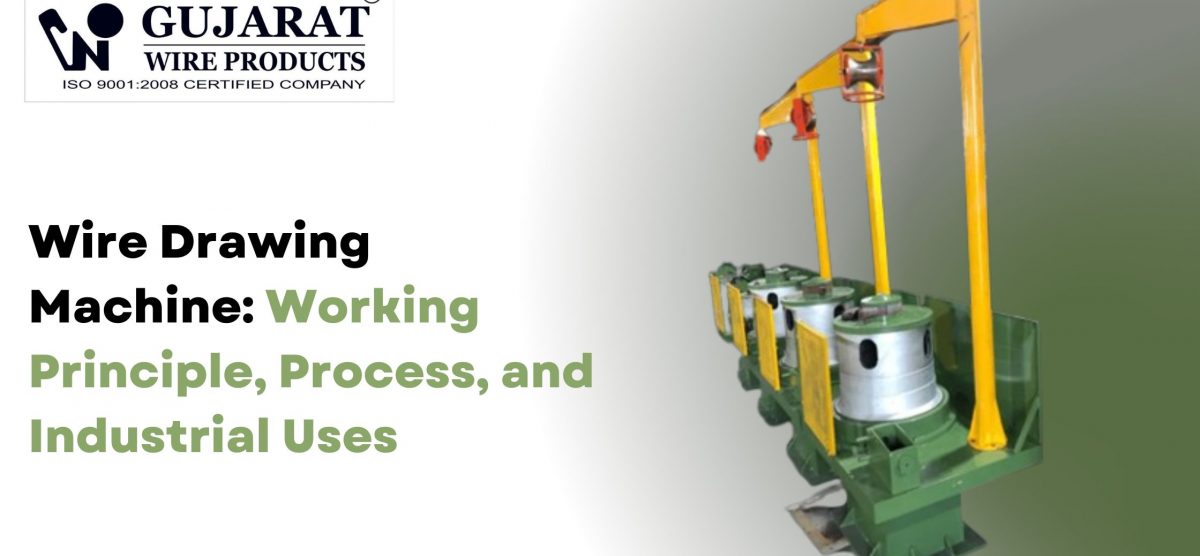
Wire Drawing Machine: Working Principle, Process, and Industrial Uses
Wire manufacturers often discover their diameter inconsistency problems aren’t caused by operator error or raw material defects—they’re built into poorly understood machine configurations. A survey of mid-sized wire producers showed that 47% couldn’t explain why their wire breaks increased during production shifts, and 63% ran machines without matching die sequences to their actual material specifications. Wire drawing isn’t mysterious, but most buyers focus on throughput numbers while ignoring the mechanical principles that determine quality, die life, and energy consumption. This guide explains how wire drawing machines actually work, breaks down the step-by-step process from coil to finished wire, covers the machine types that matter for different applications, and shows you what to evaluate before purchase. You’ll learn why die sequence matters more than motor power, which maintenance tasks prevent most breakdowns, and how to match machine configuration to your actual production needs.
Working Principle
Wire drawing pulls metal through progressively smaller dies to reduce cross-sectional area and increase length. The process applies controlled tensile force while the wire passes through each reduction stage.
What Happens to the Metal
Each die reduces diameter by a specific percentage—typically 15-25% per pass. Multiple passes achieve larger total reductions without exceeding the material’s ductility limits. Cold working during drawing increases tensile strength but reduces ductility, which is why intermediate annealing is sometimes necessary between stages.
Lubrication and Cooling Function
Lubrication reduces friction between wire and die, dissipates heat, and extends die life. Wet drawing circulates coolant continuously through the drawing zone. Dry drawing relies on pre-applied lubricants or powder coatings. Heat buildup without adequate lubrication causes surface defects and premature die wear—die replacement costs often exceed energy costs over a machine’s lifetime.
Wire Drawing Process
The process follows a fixed sequence from material preparation through final winding.
Material Preparation
- Clean and descale incoming wire rod or coil
- Remove surface oxides through mechanical or chemical treatment
- Apply initial lubricant coating if using dry drawing
- Align wire entry to prevent angular stress on the first die
Die Sequence and Reduction Stages
Dies are arranged in decreasing diameter order. Each die handles one reduction step. Total reduction from starting diameter to final diameter determines how many dies you need. For example, reducing 5mm wire to 2mm diameter requires 4-6 dies depending on material ductility and per-pass reduction rates.
Tension control between dies matters more than most buyers realize. Inconsistent tension causes diameter variation and premature wire breakage. Straight-line machines maintain more stable tension than configurations that bend wire between stages.
Take-Up and Quality Control
Final wire winds onto take-up spools at controlled tension. Diameter measurement happens continuously or at intervals depending on quality requirements. Surface finish inspection catches die wear before it produces scrap batches.
Machine Types
Configuration choice determines what diameter ranges, materials, and quality levels you can achieve.
Straight Line Wire Drawing Machine
Dies align horizontally in sequence. Wire travels straight through without directional changes. This design minimizes bending stress and maintains consistent tension—critical for fine wire or brittle materials.
Inverted Vertical Wire Drawing Machine
Vertical orientation uses gravity to assist tension control. Works well for heavier wire gauges where horizontal machines struggle with wire sag between dies.
Fine Wire Drawing Machine
Specialized for wire below 1mm diameter. Uses smaller dies, lighter tensions, and often higher die counts to achieve extreme reductions without breakage.
Wet vs. Dry Drawing Machines
Wet machines submerge the drawing zone in lubricant baths. Dry machines use pre-lubricated wire or powder application. Wet drawing produces better surface finish and extends die life but adds system complexity and maintenance requirements.
Key Components
Understanding component functions helps you evaluate machine quality and maintenance needs.
- Die and die box: Tungsten carbide or diamond dies resist wear. Die holders maintain precise alignment—misalignment causes uneven reduction and premature failure
- Capstan drums: Apply pulling force and maintain line speed. Multi-stage machines use synchronized capstans to control inter-stage tension
- Pay-off and take-up units: Pay-off feeds wire smoothly without introducing twist. Take-up maintains proper winding tension
- Drive and control system: Variable frequency drives regulate speed stage-by-stage. Modern systems adjust tension automatically based on wire feedback
- Lubrication unit: Delivers coolant/lubricant at required pressure and flow rate. Filtration systems remove metal particles that cause die wear
Industrial Applications
Wire drawing serves as an upstream process for multiple end products.
- Electrical wire and cable: Copper and aluminum drawing for conductors
- Construction reinforcement: Steel wire for mesh, cables, and structural reinforcement
- Automotive components: Spring wire, tire cord, and fastener wire
- Fastener production: Wire stock for nail, screw, and bolt manufacturing
- Wire mesh and fencing: Galvanized wire for agricultural and security applications
Choosing the Right Machine
Match machine specifications to your actual material and production profile, not theoretical maximums.
Start with material type and diameter range. Copper requires different die materials and lubrication than high-carbon steel. Define your starting rod diameter and target finished wire diameter—this determines die count and machine configuration.
Production volume drives automation level. Batch producers need simpler machines with manual die changes. Continuous producers justify automated tension control and inline annealing.
Consider total cost of ownership, not purchase price. Machines with poor tension control generate scrap. Machines without adequate lubrication systems consume dies rapidly. Calculate die replacement frequency, energy consumption per kilogram of wire, and expected maintenance labor hours.
Maintenance Requirements
Three maintenance tasks prevent most wire drawing problems.
Daily: Inspect die condition, verify lubrication flow, check wire alignment through each stage. Weekly: Clean die holders, tighten mechanical connections, calibrate tension sensors. Monthly: Replace worn dies, lubricate drive components, verify speed synchronization between stages.
Die condition directly affects wire quality and breakage rates. Replace dies before wear causes diameter drift—catching wear early reduces scrap and prevents damage to downstream dies.
FAQs
Q: What’s the maximum reduction per die pass?
A: Most materials tolerate 20-25% area reduction per pass. Harder materials or work-hardened wire may require 10-15% reductions. Exceeding material limits causes breakage or surface cracking.
Q: How do I know when to replace dies?
A: Monitor diameter consistency and surface finish. When diameter variation exceeds tolerance or surface scoring appears, replace the die. Waiting for catastrophic failure damages wire and downstream dies.
Q: Can one machine handle multiple wire diameters?
A: Yes, but die changes take time. If you frequently switch diameters, calculate changeover time against productivity loss. Dedicated machines for high-volume sizes often outperform flexible machines running multiple products.
Q: What causes wire breaks during drawing?
A: Excessive reduction per pass, misaligned dies, inadequate lubrication, or contaminated wire stock. Breaks spike when operators increase speed without adjusting tension or lubrication flow.
Conclusion
Wire drawing success depends on matching machine configuration to material properties and maintaining die condition through structured schedules. Focus on tension control capabilities and die quality rather than maximum speed ratings. Contact us to discuss your specific wire specifications and production requirements.
Gujarat Wire Products provides wire drawing machines matched to your material, diameter targets, and production volume. We evaluate your complete process—from incoming rod specification to finished wire application—and recommend configurations that minimize die wear and prevent quality drift. Our team handles commissioning, operator training, and maintenance planning to ensure consistent output from day one. Visitgujaratwireproducts.com or reach out directly for a production assessment and machine recommendation based on your actual wire needs.